
In an effort to find consensus on a sustainable nuclear posture for the United States, eight nuclear weapons experts suggested that modernizing the weapons complex and improving governance of the National Nuclear Security Administration should be a priority. The Pentagon-sponsored study was facilitated by the Center for Strategic and International Studies, and an agreement on priorities was signed by the Stimson Center’s Barry Blechman, former NNSA Administrator Linton Brooks, former House Democratic staffer Bob DeGrasse, former Global Strike Command chief Lt. Gen. Frank Klotz, George Perkovich of the Carnegie Endowment for International Peace, the Brookings Institution’s Steven Pifer, and Clark Murdock and Franklin Miller of CSIS. “The complex must be capable of reliably meeting Department of Defense requirements for Life Extension Programs in a timely and affordable manner and certifying the security, safety and reliability of the nuclear force,” the agreement said. “A major improvement is needed in cost estimating and schedule adherence for construction of complex facilities.”
EXPERTS OUTLINE PRIORITIES FOR NUCLEAR WEAPONS CONSENSUS
The wide-ranging agreement covers the value of nuclear weapons, U.S. nuclear posture, as well as arms control, nonproliferation and nuclear testing and the path forward. “We think there are still the prospects of forming a more lasting consensus but it has to go back to fundamentals, it has to be a dialogue between the executive branch and the Congressional branch on the role of nuclear weapons in U.S. national security,” Murdock said during a speech Friday at the Capitol Hill Club.
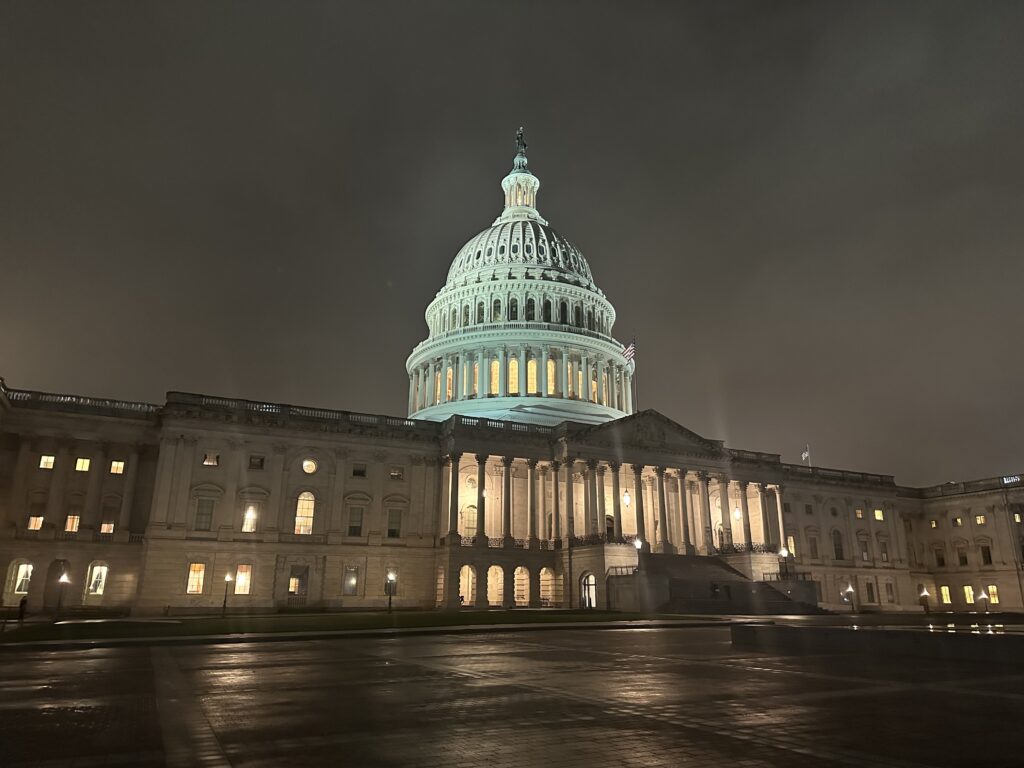
Congress forages for answers on the logistics of DOE’s nuclear campus program
WASHINGTON — Nuclear industry experts and Congress continue to navigate the early development stages of the Department of Energy’s Nuclear Lifecycle Innovation Campus program. During the Senate Environment and Public Works Committee’s Wednesday hearing, multiple senators sought further understanding of the inner workings, such as funding, interagency partnerships and disposal of different types of wastes, […]