The newly reopened Radioactive Assay Nondestructive Testing (RANT) facility at the Energy Department’s Los Alamos National Laboratory in New Mexico has made its first shipment of transuranic material to the Waste Isolation Pilot Plant in nearly five years.
Prior to last week, there had been no TRU waste loading at the facility since May 2014. The work was stopped after questions arose about the building’s ability to withstand a large earthquake, LANL said in a news release.
On Thursday, 42 drums of transuranic waste left Los Alamos on the way to WIPP. The material encompasses contaminated gloves, booties, cleaning materials, and general waste products newly generated from operations at the lab. Prior to RANT reopening, transuranic waste shipments to WIPP were loaded outdoors at the lab’s Technical Area 55, which meant bad weather would severely limit operations, according to the news release.
The facility won startup authorization from the Energy Department on Feb. 28 after a new low material at risk (MAR) operational strategy was approved by the semiautonomous National Nuclear Security Administration in December 2018.
“The reopening of RANT and resumption of waste shipments to WIPP puts Los Alamos in a stronger position to fulfill its national security mission,” said Los Alamos National Laboratory Director Thom Mason in the release. “As the laboratory works to meet the nation’s future plutonium manufacturing and science goals a robust and continuous waste disposition program is more important than ever.”
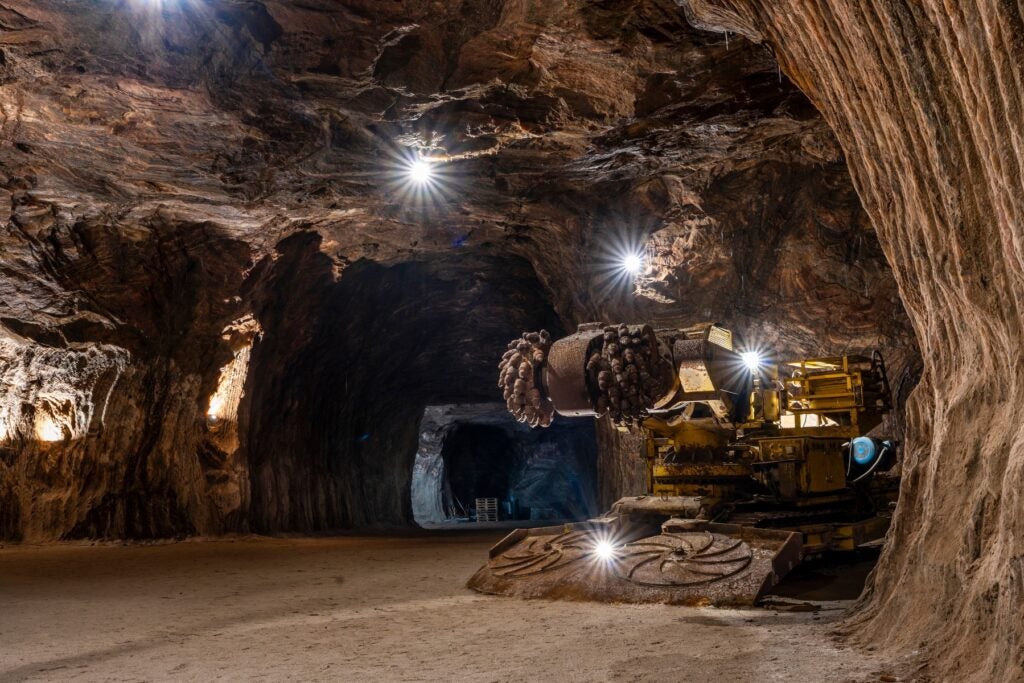
The Waste Isolation Pilot Plant, near the city of Carlsbad in southeastern New Mexico, was offline for about three years following an underground radiation release in February 2014 that was linked to waste from Los Alamos. Prior to Thursday’s shipment, WIPP had received a half-dozen shipments of TRU waste from Los Alamos since resumption of emplacement of waste from DOE sites in April 2017.