With the White House and Congress increasingly focused on new reactors, progress continues across the country on decommissioning shuttered nuclear power plants.
Here is a look at the status of the current shuttered U.S. commercial reactors. The list does not include reactors operated by the Department of Energy or were authorized by the Atomic Energy Commission (AEC), the predecessor of the Nuclear Regulatory Commission (NRC) as well as DOE.
The list will also not include demonstration reactors or plants such as Peach Bottom Unit 1, La Crosse and ESADA Vallecitos Experimental Superheat Reactor.
- Big Rock Point Nuclear Power Plant, a single-unit boiling water reactor that had a generating capacity of 67 megawatts based in Charlevoix, Mich. shut down in 1997. The plant was fully decommissioned in 2006 and all that remains at the site is an Independent Spent Fuel Storage Installation (ISFSI). The site was acquired by Holtec International in 2022 when the company acquired Palisades Nuclear Generating Station from Entergy.
- Christopher Crane Clean Energy Center, formerly known as Three Mile Island Unit 1, is a 835-megawatt water pressurized reactor based in Middletown, Pa., ceased operations in 2019. Constellation Energy is moving forward with plans to restart Unit 1 and secured a $1 billion loan from DOE. The reactor was a companion to Three Mile Island Unit 2, which suffered a partial nuclear meltdown in 1979 and its radioactive debris was taken to DOE’s Idaho National Laboratory.
- Crystal River Nuclear Plant, an 860-megawatt pressurized water reactor, based in Crystal River, Fla. shut down in 2013. Duke Energy signed a deal in 2020 with Accelerated Decommissioning Partners, a joint venture between Orano USA and NorthStar Group Services, to undertake the decommissioning of the plant. As of late 2024, Orano USA finalized the transport of the segmented reactor vessel with a barge and truck to the Waste Control Specialists disposal site in Andrews, Texas.
- Dresden Nuclear Power Station Unit 1, a 207-megawatt boiling water reactor, based in Morris, Ill. closed in 1978. The unit has been in SAFSTOR (safe storage) since its closure. According to NRC, the licensee, Constellation, expects decontamination and dismantlement of Dresden Unit 1 to occur between 2029 – 2031.
- Duane Arnold Energy Center, a single-unit 615-megawatt boiling water reactor, based in Cedar Rapids, Iowa, closed down in 2020. In October 2025, Duane Arnold operator NextEra Energy announced plans to restart the plant.
- Enrico Fermi Atomic Power Plant Unit 1 (Fermi 1), a 65-megawatt sodium-cooled fast breeder reactor, based in Newport, Mich. shut down in 1972. The reactor was dismantled, and the fuel was removed by 1975. The unit is now in the SAFSTOR condition. Fermi 1 was designed to reach a max generating capacity of 430 megawatts, but never reached that potential.
- Fort Calhoun Station, a single-unit 484-megawatt pressurized water reactor, based near Omaha, Neb. ceased operations in 2016. Omaha Public Power District completed the demolition of the containment building at the plant in late 2025. Tim Uehling, the senior director of Fort Calhoun Station Decommissioning, recently said that OPPD expects to have all the decommissioning work “substantially completed” by the third quarter of this year.
- Fort St. Vrain Nuclear Generating Station, a sole 330-megawatt high-temperature gas-cooled reactor, in Platteville, Colo. ceased operations in 1989. The plant completed its decommissioning and the site was released for unrestricted use in 1997. Since then, the site has been converted into a natural gas-fired power station with spent nuclear fuel being stored in an onsite ISFSI.
- Haddam Neck Nuclear Power Plant, a single-unit 560-megawatt pressurized water reactor based in Haddam Neck, Conn. ceased operations in 1996. The plant’s decommissioning, which started in 1998, was completed in 2007.
- Humboldt Bay Nuclear Power Plant Unit 3 is a single-unit 63-megawatt boiling water reactor based near Eureka, Calif. closed in 1976. After being in SAFSTOR status for years, Pacific Gas and Electric (PG&E) began decommissioning in 2008 and completed it in 2021. The NRC terminated PG&E’s license for the Humboldt Bay plant in November 2021 and released the land for public use. All that remains at the site is an onsite ISFSI.
- Indian Point Energy Center Units 1 – 3, three pressurized water reactors with Units 2 and 3 generating over 2,000 megawatts, while Unit 1 generated 275 megawatts, based in Buchanan, N.Y. The plant’s Unit 1 closed in 1974, Unit 2 in 2020 and Unit 3 in 2021. In Holtec International’s Feb. 12 decommissioning update, the company has continued vessel segmentation work in Unit 2 and completed removal of spent fuel pump/motor and piping in Unit 1. Holtec said it expects to complete the decommissioning by 2041.
- Kewaunee Power Station, a single-unit 566-megawatt pressurized water reactor, based in Kewaunee, Wisc. shut down in 2013. The plant is currently under decommissioning with EnergySolutions, which is expected to be completed by 2031. However, EnergySolutions has announced plans to pursue new nuclear options at the decommissioning Kewaunee site.
- Maine Yankee Nuclear Power Plant, a single-unit pressurized water reactor with a generating capacity of 900 megawatts, based in Wiscasset, Maine, closed down in 1996. Decommissioning for the plant was completed from 1997 to 2005. At the completion of it, the license of the plant was reduced to a standalone ISFSI.
- Millstone Power Station Unit 1, a 660-megawatt boiling water reactor, based in Waterford, Conn. closed down in 1998. The unit is currently in SAFSTOR condition to allow for radiation decay. Millstone Unit 1 will stay in this status until 2048, then Dominion Nuclear Connecticut said it expects to have the decommissioning and decontamination completed by 2058.
- Oyster Creek Nuclear Generating Station, a single-unit boiling water reactor with a generating capacity of 625 megawatts, based in Forked River, N.J. ceased operations in 2018. Decommissioning is underway at the New Jersey plant, with Holtec planning to have it completed by 2029 and the license terminated by 2035. Holtec additionally has floated ideas of building a hybrid power plant at the site.
- Palisades Nuclear Generating Station, a single 800-megawatt pressurized water reactor, based in Covert, Mich. shut down in 2022. Palisades is nearing its restart after NRC approved several licensing matters, and it returned to operational status.
- Pathfinder Nuclear Generating Station, a single-unit 66-megawatt boiling water reactor based in Sioux Falls, S.D. closed in 1967. South Dakota’s first and only reactor had the shortest operational life of a nuclear reactor as it began operations in July 1966 only to close in October 1967. Pathfinder struggled with its experimental nuclear superheater technology. The plant, which has now been converted into a gas/coal powered station, has been decommissioned with the land being released for public use in 2007.
- Pilgrim Nuclear Power Station, a single-unit boiling water reactor with a generating capacity of 680 megawatts, based in Plymouth, Mass. shut down in 2019. Holtec has faced some challenges, such as the disposal of treated water, for decommissioning at the plant and could deal with delays in its demolition activities past 2031, its initial completion date. According to a Holtec presentation to the Nuclear Decommissioning Citizens Advisory Panel in Massachusetts, the company is currently pursuing demolition work at the Plymouth site.
- Rancho Seco Nuclear Generating Station was a single-unit pressurized water reactor with a generating capacity of 913 megawatts, based in Herald, Calif. Shut down in 1989. Residents in the Sacramento area voted to close the plant due to chronic economic, operational and safety issues. Safety concerns about the reactor occurred after the Three Mile Island incident in 1979, in which the Rancho Seco reactor used a similar design to the Three Mile Island Unit 2 reactor. The plant was fully decommissioned in 2008 and NRC released a portion of the site’s land in 2009.
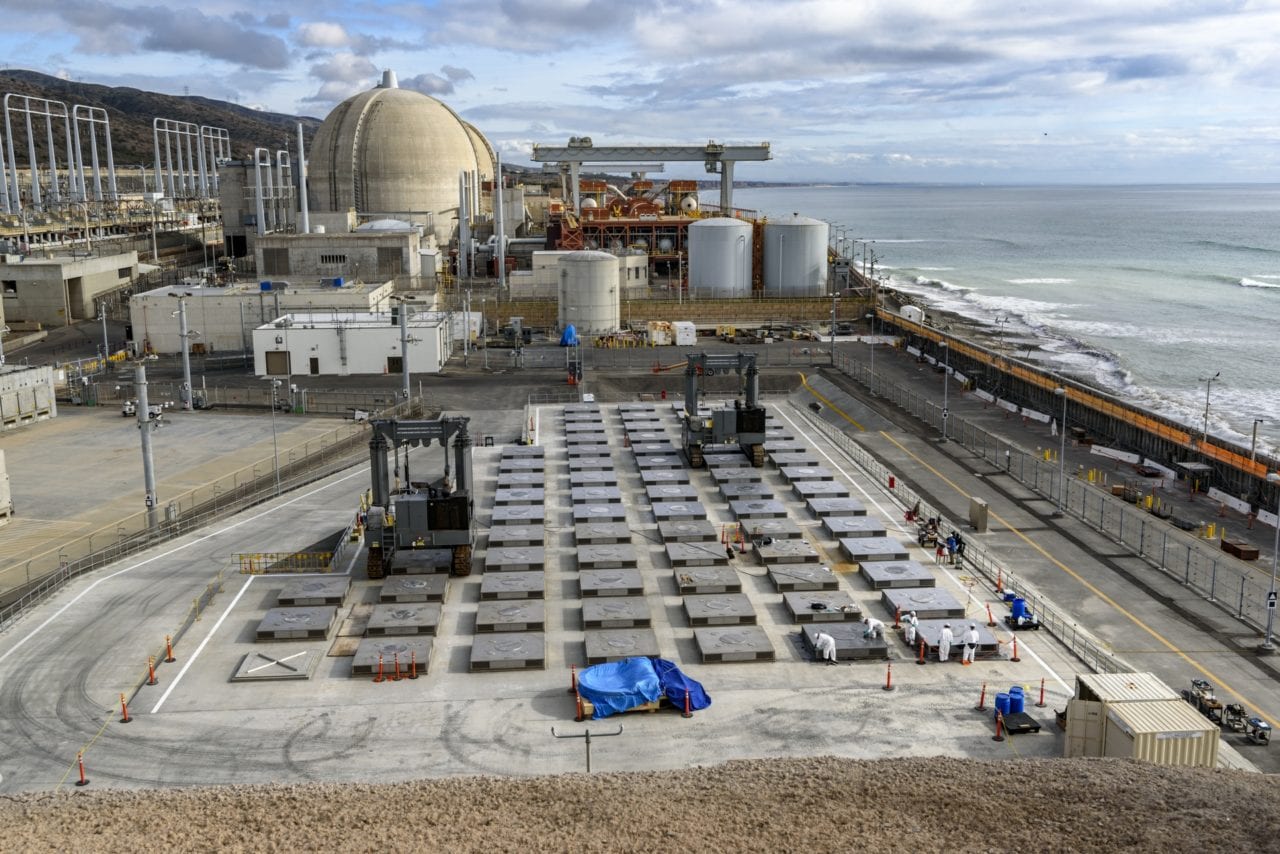
- San Onofre Nuclear Generating Station (SONGS) Units 1 – 3, three pressurized water reactors with Units 2 and 3 generating over 2,000 megawatts, while Unit 1 generated 430 megawatts, based in San Clemente, Calif. Unit 1 shut down in 1992, while Units 2 and 3 closed in 2013. In a Feb. 10 update, Southern California Edison, the company handling the plant’s decommissioning, is removing two containment domes in preparation for demolition. At Unit 2, both steam generators are gone, and only the reactor vessel remains, in which the crews are now working to cut the vessel into pieces for packaging and shipping them offsite.
- Shoreham Nuclear Power Plant, was designed to have a generating capacity of 820 megawatts, based in Shoreham, N.Y. ceased operations in 1989. The plant, which never actually operated, completed its decommissioning between 1992 and 1994. The plant is famously known as the first commercial plant to be demolished before ever commercially operating after facing public backlash and failing to create a credible evacuation plan.
- Three Mile Island Unit 2 is a 910-megawatt pressurized water reactor based in Middletown, Pa. shut down in 1979. Unit 2’s decommissioning, overseen by EnergySolutions’s subsidiary TMI-2 Solutions, is underway and plans to have its license terminated by 2052.
- Trojan Nuclear Power Plant, a 1,130 megawatt-pressurized water reactor, based in Rainier, Ore. shut down operations in 1993. The plant was decommissioned between 1993 and 2008. Trojan, the sole nuclear plant in Oregon, shut down due to safety concerns over the reactor’s deteriorating steam generator tubes.
- Vermont Yankee Nuclear Power Plant, a 620-megawatt boiling water reactor, based in Vernon, Vt., ceased operations in 2014. In December 2025, NorthStar, the company overseeing Vermont Yankee’s decommissioning, reported it is in the process of completing reactor building demolition. The company is ahead of schedule for its 2030 target, outlined in its memorandum of understanding.
- Zion Nuclear Power Plant Unit 1 and 2, a dual-unit plant with two pressurized water reactors that generated over 2,000 megawatts, based in Zion, Ill. Zion’s Unit 1 closed in 1997 and Unit 2 in 1996. EnergySolutions completed decommissioning in 2023.
In 2022, the Nuclear Energy Institute released a similar list overviewing the decommissioning status of shuttered U.S. nuclear power plants. NRC also has a page on its website monitoring power reactor sites across the nation that are undergoing decommissioning.