LOS ALAMOS N.M. — Federal cleanup managers told the Los Alamos Board of Public Utilities on Wednesday that a hexavalent chromium plume migrating from beneath Los Alamos National Laboratory remains “uncontrolled” although there remains no threat to local drinking water.
The situation around the lab and Pueblo de San Ildefonso tribal land was detailed by the Department of Energy’s Environmental Management field office and the legacy environmental contractor while a key interim remedy remains suspended at the direction of the New Mexico Environment Department (NMED).
The plume is currently unmitigated, said Newport News Nuclear BWXT-Los Alamos (N3B) hydrogeologist Joel Hebdon. Hebdon is deputy program manager for environmental remediation. He said roughly 160,000 pounds of chromium have been released since the mid-20th century, while the pump‑and‑treat system has removed only about 860 pounds so far.
Hebdon said the plume extends about 1 mile long and one-half mile wide in the regional aquifer, where chromium is found within the upper 100 feet. He said monitoring shows “very minor but observable increases” in contamination at some wells since the NMED‑directed shutdown of all groundwater injection operations. Hebdon reiterated there is still no immediate threat to public or private supply wells.
Hebdon said Environmental Management and N3B are developing an adaptive site management plan and are “conducting a series of studies” on how best to reconfigure extraction and injection wells, but “we’re a long way from that.”
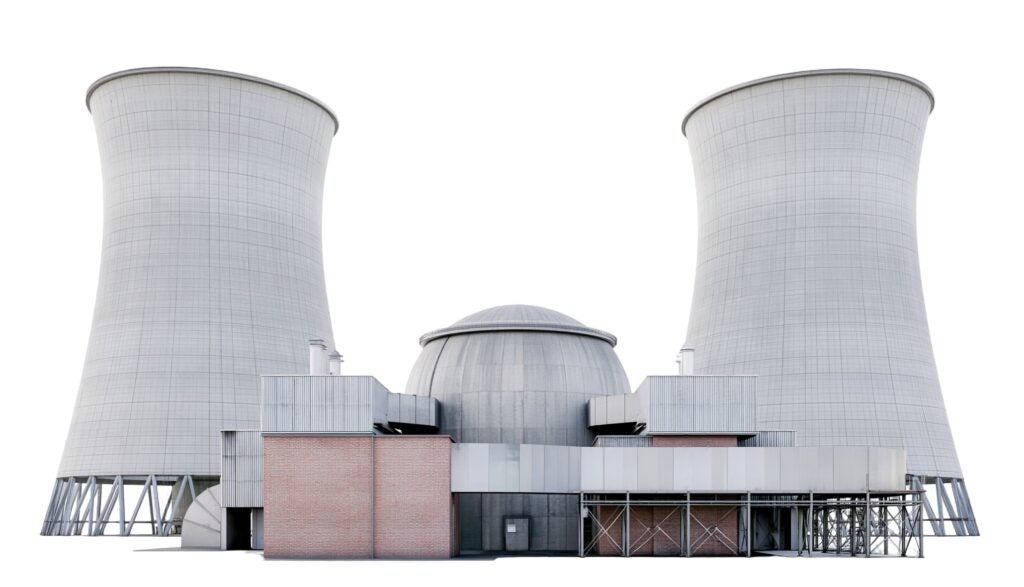
According to a DOE backgrounder, the plume’s origins can be traced back to the 1950s. Chromium was often used to fight corrosion in power plant pipes.Chromium-contaminated water from cooling towers was periodically released from the cooling towers into Sandia Canyon between 1950 and 1972, when Los Alamos discontinued the practice, DOE said.
In recent years, DOE has employed an interim measure that includes using wells to siphon off water from the plume, treating the water to remove the hexavalent chromium before then reinjecting the treated water back into the regional aquifer, according to a Monday DOE press release.
“Contaminated groundwater is pumped from up to five extraction wells to a facility in Mortandad Canyon, where it is treated with ion-exchange technology,” DOE said in the release. “The treated water is subsequently injected into the aquifer to establish a ‘hydraulic barrier’ in the area of injection, helping to prevent further migration of the plume.”
In November 2025, N3B and the Office of Environmental Management suspended the interim measure work at the direction of NMED. It was the second time in two years such work was suspended. DOE has said the plume is stable and poses no threat to drinking water.
With limited well sites and drilling timelines that allow only one new well every six to eight months, Hebdon said the team is awaiting data from the new San Ildefonso monitoring well,to refine modeling and evaluate future hydraulic options, including source control and in-situ treatment.