The Air Force should continue its pursuit of a new nuclear air-launched cruise missile despite concerns that the ambiguity between nuclear and conventional cruise missiles could trigger “false alarms” leading to a nuclear strike, the former head of U.S. Strategic Command told a panel of lawmakers last week.
The service wants to develop a new air-launched cruise missile that can be outfitted with either a conventional or nuclear payload as the situation requires, as well as be used by future platforms like the Long Range Strike Bomber (LRSB). However , the acquisition program for the Long Range Standoff (LRSO) weapon has been in limbo for several years as budgetary constraints have forced the Air Force to delay a contract award until at least 2018.
Critics believe it might be time for the military to do away with that capability altogether. In an October opinion piece in The Washington Post, former Defense Secretary William Perry advised the White House to cancel the LRSO program. Cruise missiles capable of both conventional and nuclear strikes are a “uniquely destabilizing type of weapon,” he said, because countries have no idea whether a strike is nuclear or conventional, thus increasing the risk of escalation.
However, the United States has successfully dealt with that ambiguity with its legacy AGM-86 Air Launched Cruise Missile (ALCM), said retired Air Force Gen. Robert Kehler, the former commander of STRATCOM. ALCM, which is manufactured by Boeing [BA] for use on the B-52 bomber, can be outfitted with either a conventional or nuclear payload, just as LRSO is planned to be.
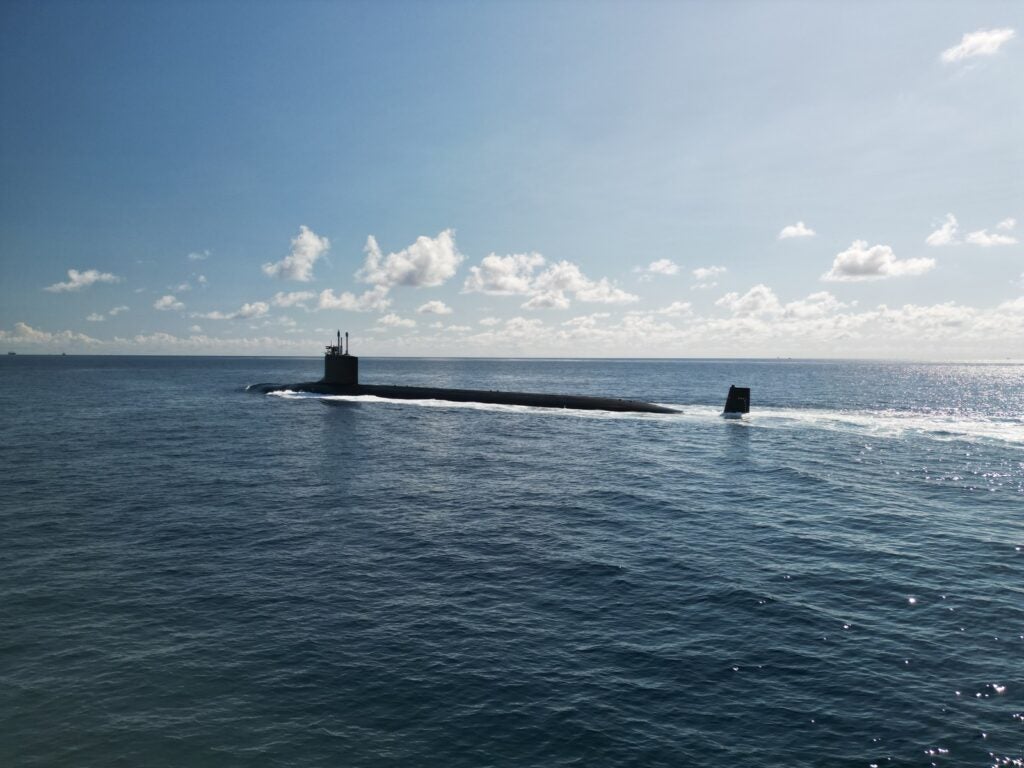
“We’ve only ever operationally used them—thank heaven, in conventional modes—and we’ve been able to work the ambiguity issue. When a cruise missile lifts off a surface ship, or when it drops out of a B-52 bomb bay, or if it comes out of an SSGN [nuclear-capable submarine], no one believes that we’ve just launched a nuclear weapon,” he said during a House Armed Services Committee strategic forces subcommittee hearing.