April 02, 2026

IWTU treats one-third of Idaho’s sodium-bearing waste

By Wayne Barber

The Department of Energy and its cleanup contractor at the Idaho National Laboratory have now solidified a third of the high-level sodium-bearing radioactive waste at the site, DOE said Tuesday.

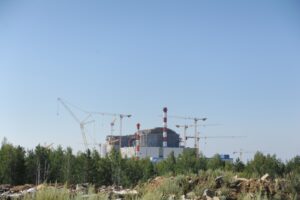
According to a press release from DOE’s Office of Environmental Management  and Amentum-led Idaho Environmental Coalition, the Integrated Waste Treatment Unit (IWTU) has processed about 312,000 out of the 900,000 gallons. The sodium-bearing waste is held in underground tanks at the Idaho lab.

 “Treating the remaining sodium-bearing waste is a top priority for the Idaho Cleanup Project and demonstrates our commitment to the state of Idaho in meeting our regulatory milestones, protecting Idaho’s Snake River Plain Aquifer and the future of the Idaho National Laboratory,” Acting Idaho Cleanup Project Manager Nick Balsmeier said in the release. 

The rest of the work, meant to convert the liquid waste into a more stable sand-like granular form for long-term storage, transport and eventual disposal, is also designed to protect the Snake River Plain Aquifer.

After years of stops and starts in construction, design and revamped plans, the $1.5-billion facility began radioactive operations about three years ago. Solidifying the rest of the sodium waste could take up to seven years, DOE said.

The affected waste is a byproduct of decontamination work over more than 40 years of used nuclear fuel recycling runs at the laboratory’s Idaho Nuclear Technology and Engineering Center, which ended in 1992, DOE said.

On Feb. 20 the Denitration Mineralization Reformer, which is IWTU’s chief fluidized-bed reaction vessel, entered a “limited condition for operation” due to an inoperable steam feed valve, according to a recent staff report from the Defense Nuclear Facilities Safety Board (DNFSB).

Fixes were made, according to the DNFSB documents, which says “In addition, the other safety-significant control valve (mercury adsorber inlet valve) refurbished in the recent outage was also verified to function/indicate correctly. Facility management is evaluating the need for further action to minimize likelihood of recurrence,” the report goes on to state. 

Weapons Complex Monitor
Weapons Complex Monitor brings you first-hand reports from Washington, the major DOE sites and national laboratories, interviews with top-level officials, and predictions for upcoming moves that will affect your business strategy.
Subscribe