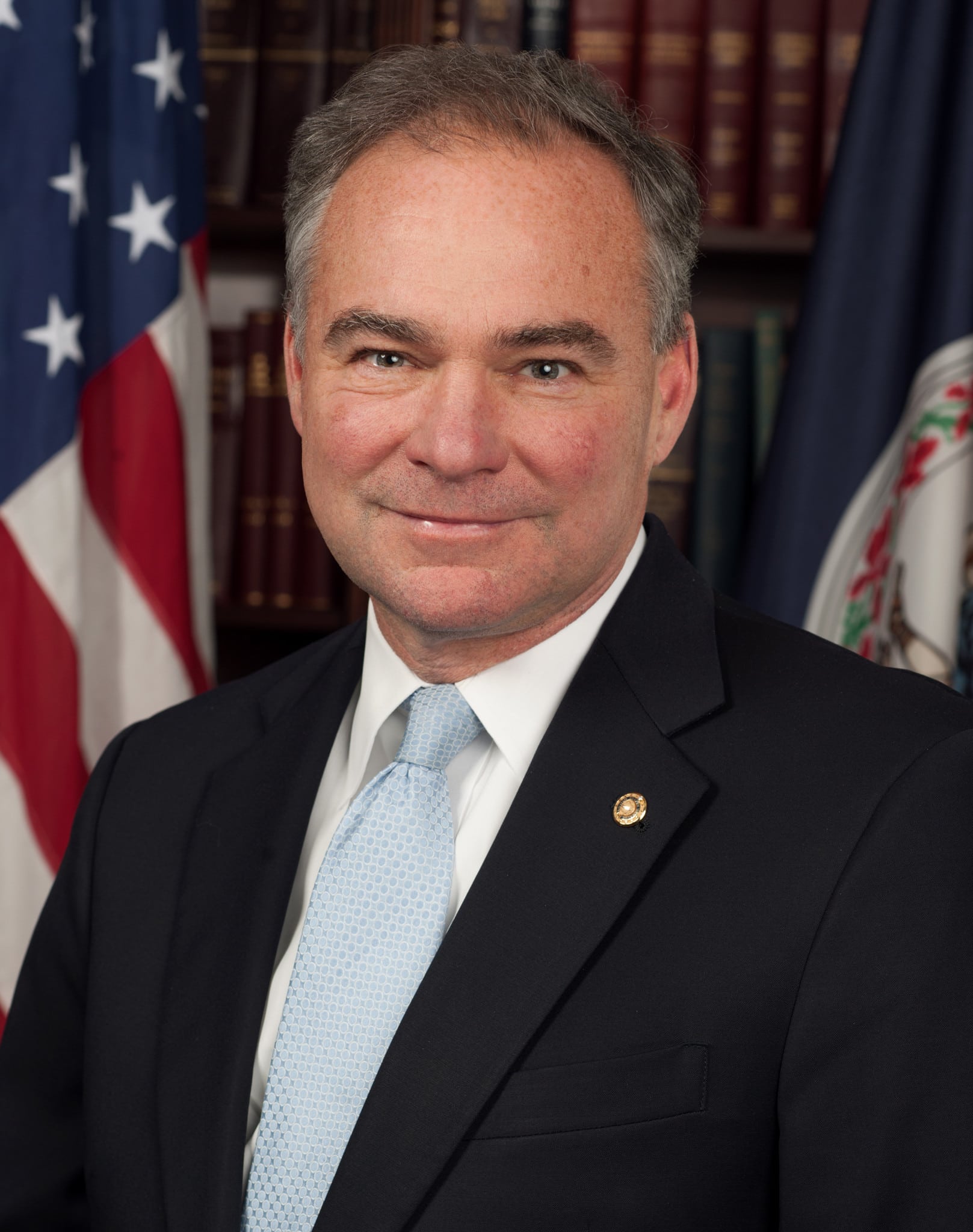
WASHINGTON, D.C. – The House and Senate will likely release the conferenced version of the fiscal 2027 National Defense Authorization Act (NDAA) in a “couple weeks,” a staffer for Sen. Tim Kaine (D-Va.) told Exchange Monitor Tuesday.
The defense policy bill also sets spending caps for appropriations bills. It also authorizes funding for the Department of Energy’s semi-autonomous National Nuclear Security Administration (NNSA).
Kaine discussed NDAA and other defense-related funding during the lame duck session with the Exchange Monitor in the halls of the Capitol Tuesday. Kaine asked his staffer to provide a bit more specifics on possible NDAA timing.
“The NDAA, I mean, the good news is, you know, it’s being pre conferenced,” Kaine told the Monitor. A conferenced version of the bill results from taking both chambers’ versions of the bill, setting aside and working out the parts that are “mostly agreed on,” and debating the more “controversial and challenging” parts, Kaine said.
“This year, you know, for kind of an… not completely unique, but a little bit unusual this year, the NDAA has really been riding with the approps [appropriations] discussion,” Kaine said. “Because with the request of such an increase in the budget, then you combine approps requests, reconciliation requests, supplemental requests, um, at such a big increase that, you know, the natural question is, okay, where’s the 67% extra coming from? Is it coming out of Medicaid, Medicare, or is it coming from somewhere else? So it really is riding heavy with the approps discussion right now.”
Kaine is referring to the Donald Trump administration’s proposed plan to achieve $1.5 billion in defense spending for fiscal 2027, which would include $350 billion in defense reconciliation funding.
Kaine added he thinks both the NDAA and appropriations bills will “get resolved at the same time.”
The first hint that both chambers were preparing to conference their versions of the NDAA came from a Nov. 10 letter from Sen. Chris Van Hollen (D-Md.) to both chambers’ majority and minority leaders to exclude provisions from the final bill “that would further entrench concerning aspects of the U.S.-Israel defense and intelligence relationship at a time when the Israeli government’s actions are increasingly undermining U.S. interests and values.” The letter’s addressed leaders include Senate Minority Leader Chuck Schumer (D-N.Y.), whom Van Hollen is in a race with for the Majority Leader position in a closed-door election Dec. 1.
The House would authorize $32.76 billion in funding for NNSA, while the Senate would authorize a little less at $32.31 billion. Both would authorize more than the White House requested at just over $32 billion.