Nuclear Security & Deterrence Monitor Vol. 30 No. 24
Visit Archives | Return to Issue
PDF
Nuclear Security & Deterrence Monitor
Article 3 of 14
June 18, 2026

Amid exit litigation, Frank Rose says NNSA should not be under DOE

By ExchangeMonitor

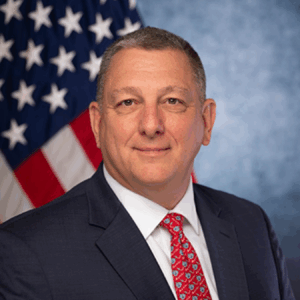
Former senior National Nuclear Security Administration (NNSA) official Frank Rose said in a podcast the agency may require structural reforms to meet mounting mission demands.

Formerly NNSA’s principal deputy administrator during the Joe Biden era, Rose’s public comments on the nuclear enterprise are some of his most detailed since his 2024 departure amid legal disputes over the circumstances of his exit.

Speaking on the NucleCast podcast, “Frank Rose: Reimagining Arms Control for the 21st Century,” Rose framed the NNSA as facing a significantly more complex security environment than during the Cold War, arguing the agency must adapt to simultaneous nuclear modernization pressures, rising geopolitical competition and emerging technologies. 

During the May webcast, Rose emphasized that maintaining the U.S. nuclear deterrent increasingly requires a workforce and organizational structure capable of operating at greater speed and scale.

“NNSA is not an organization right now focused on producing lots of weapons. Uh it is making sure nothing goes wrong. And I think the time has come when we’ve got to inverse those priorities. The priority now in this era of two nearpeer nuclear uh adversaries has got to be production. 

Rose also argued NNSA should not be under DOE anymore, calling the dynamic “dysfunctional.”

“DOE does some great work on R&D [research and development and science and climate change, but it is not a national security organization. At its core, DOE is a domestic regulatory agency focused on energy, climate, and research. Its culture is not aligned with the national security mission. We indeed are the only major nuclear power that operates our nuclear deterrent in this way.”

Rose, who served from 2021 to 2024 as the No. 2 position at NNSA, suggested future reforms could be needed to ensure the agency is positioned to execute its expanding mission, particularly as the U.S. modernizes aging weapons systems and China grows its nuclear arsenal. He described arms control as needing to evolve from a bilateral U.S.-Russia framework toward broader strategic stability arrangements that account for Beijing and emerging technologies, including cyber and space systems.

The comments come as Rose pursues litigation against DOE and NNSA stemming from his departure. In a January ruling with the United States District Court for the District of Columbia, a federal judge allowed core procedural due process claims in Rose’s lawsuit to proceed, partially denying the government’s motion to dismiss. Rose alleges DOE denied him notice and an opportunity to respond to allegations of workplace misconduct before he was effectively forced from office in April 2024. DOE has disputed the claims.

Rose also filed a separate defamation suit, with the United States District Court for the Eastern District of Virginia, tied to sexual harassment allegations reported publicly following his departure. He has denied wrongdoing.

Rose did not discuss the litigation or his exit from NNSA during the podcast, focusing instead on deterrence, arms control and the future of the nuclear enterprise.

Rose currently serves as President for Chevalier Strategic Advisors, an Alexandria, Va.-based geopolitical consulting firm, according to his LinkedIn. Prior to his time at NNSA, he was a fellow at the Brookings Institution, and had stints at the State Department, Congress and the Defense Department before that.

Comments are closed.