The Department of Energy said Tuesday it has finished commissioning the long-anticipated new underground ventilation system for the Waste Isolation Pilot Plant near Carlsbad, N.M.
The roughly $500-million Safety Significant Confinement Ventilation System (SSCVS) is designed to more than triple underground airflow to the Waste Isolation Pilot Plant (WIPP), to 540-,000 cubic feet per minute, DOE has said.
Exchange Monitor reported in January that the Industrial Company, a Kiewit company that completed the ventilation system after the original project subcontractor was replaced, was on the brink of handing over control of the ventilation system to Bechtel’s Salado Isolation Mining Contractors, which is the WIPP prime.
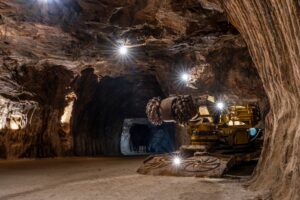
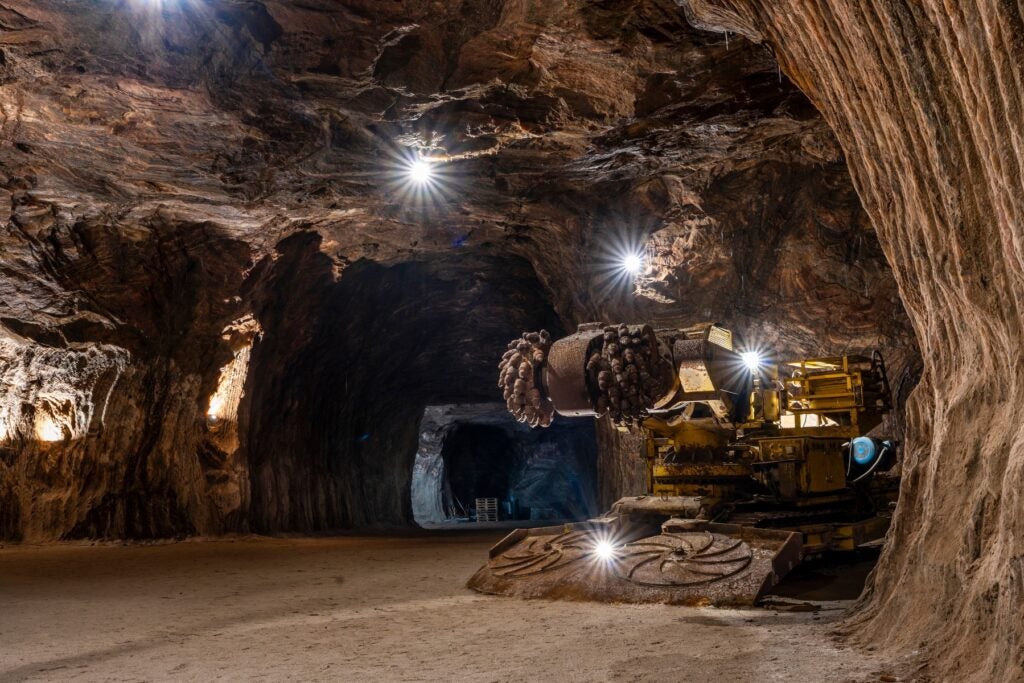
The new ventilation system should eventually enable WIPP to conduct simultaneous operations for waste disposal, salt mining and maintenance. The WIPP underground and its pre-existing ventilation system was damaged by a February 2014 radiation leak at the facility. The accident forced WIPP offline for about three years.
“This is a big step in getting the SSCVS fully operational and providing additional airflow to the WIPP underground,” DOE Office of Environmental Management Carlsbad Field Office Manager Mark Bollinger said in a Tuesday statement. “This project is important in increasing our workers’ safety while allowing us to continue DOE’s critical environmental cleanup and national security mission.”