Discovery of radioactive contamination on a transuranic waste transportation container in August prompted the Department of Energy to pause certain work at the Waste Isolation Pilot Plant near Carlsbad, N.M., a spokesperson said Sept. 2.
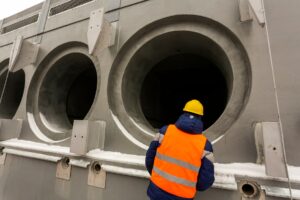
During maintenance on Aug. 24, a staffer spotted an “unexpected substance” near the bottom of the shipping container, a Waste Isolation Pilot Plant (WIPP) spokesperson said in a Friday email.
Analysis turned up a “trace amount of radioactive contamination embedded in a gel-like decontamination agent” previously used in the shipping container, the spokesperson said.
“The contamination was limited to that identified in the decontamination agent and there was no spread or potential for personnel exposure,” the spokesperson said in response to an inquiry from ExchangeMonitor.
The container was resealed “and remains in a safe configuration at the WIPP site,” the spokesperson went on to say.
The container in question was previously sent back to Idaho National Laboratory for decontamination in May, according to a site description, which said initial contamination tests Aug. 9 at WIPP on the empty container came back clean.
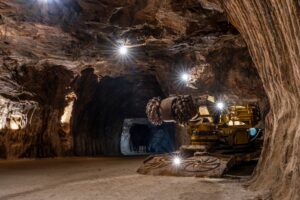
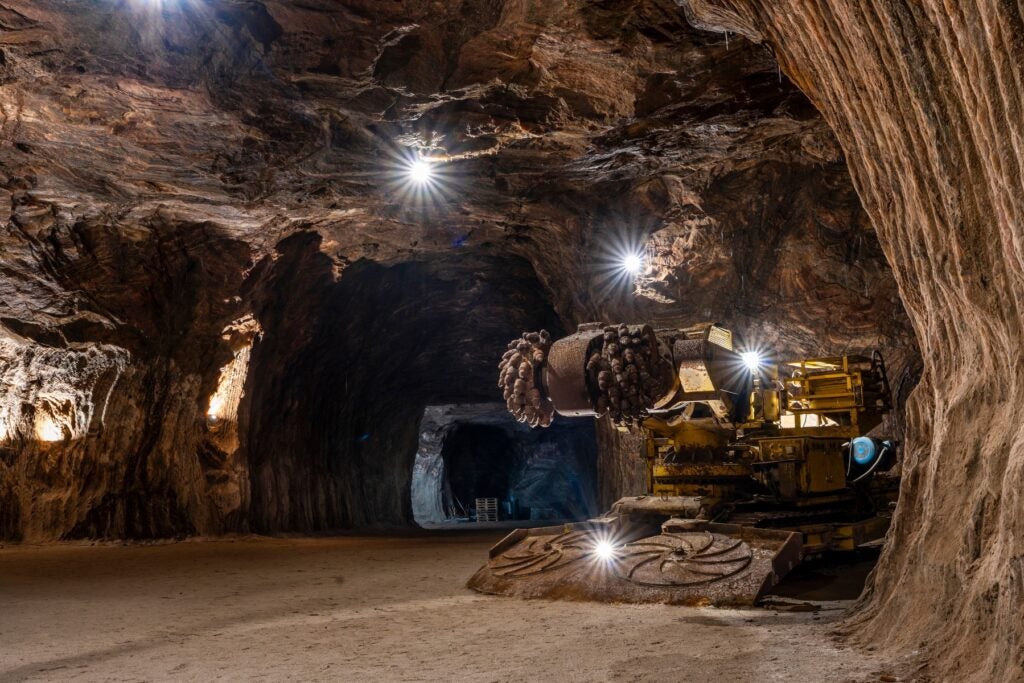
WIPP is the nation’s only deep-underground disposal site for defense-related transuranic waste: radioactively-contaminated equipment, debris, soil, clothes, rags and other items. The underground salt mine is currently operated for DOE by Nuclear Waste Partnership, a team of Amentum and BWX Technologies.
In July, DOE selected a Bechtel-led venture to be the new prime contractor for WIPP under a contract that could run 10 years with a potential value of $3 billion. Two runner-up bidders have challenged the contract award with the Government Accountability Office.