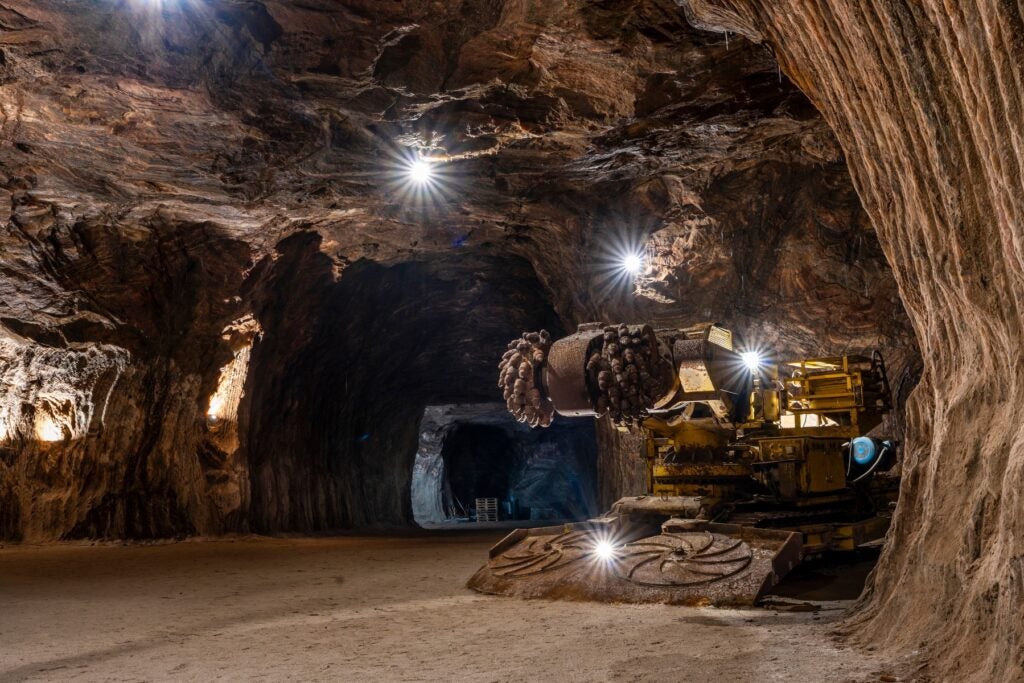
Adding Panels 11 and 12 at the Waste Isolation Pilot Plant in New Mexico should not heighten radiological risk at the underground disposal site, the Department of Energy said during a U.S. Environmental Protection Agency public meeting Wednesday in Santa Fe.
The Environmental Protection Agency (EPA) is considering a request by DOE’s Office of Environmental Management to mine out the two panels to make up for transuranic waste-disposal space lost after a 2014 underground radiation leak at the Waste Isolation Pilot Plant (WIPP).
During the meeting, which was webcast, EPA managers said their chief goal is to ensure the new panels won’t hurt WIPP’s compliance with a 10,000-year radiation safety standard. EPA is accepting comments through Sept. 16 and expects to make a decision by Thanksgiving.
EPA and the New Mexico Environment Department have already approved mining tunnels or passageways to the areas for the new panels, said Jay Santillan, an EPA geologist.
There has also been public concern about WIPP disposal of transuranic waste resulting from future plutonium pit production or surplus plutonium disposition, said Andy Ward, a hydrology manager with DOE’s Carlsbad Field Office.
But pit “waste streams are very similar” to transuranic waste already emplaced in the salt mine, Ward said. He pointed to waste that came from the shuttered Rocky Flats nuclear weapons plant in Colorado, a pit factory with a capacity that dwarfed what DOE now plans, as an example.
So far, EPA managers said they have sent DOE five sets of questions about the requested new panels and DOE has already responded to some written questions.