The Department of Energy has plenty of details to iron out when it comes to grouting low-level radioactive tank waste at the Hanford Site in Richland, Wash, the Government Accountability Office (GAO) said in a report Wednesday.
DOE’s Office of Environmental Management plans to grout low-level, or what it also calls “low-activity,” radioactive waste, from 22 underground tanks in the 200 West Area, GAO said in the report.
The government auditor has previously said adding grout into the mix could save DOE billions at Hanford. That is compared to the cost of building a second plant for solidifying Hanford liquid waste into glass.
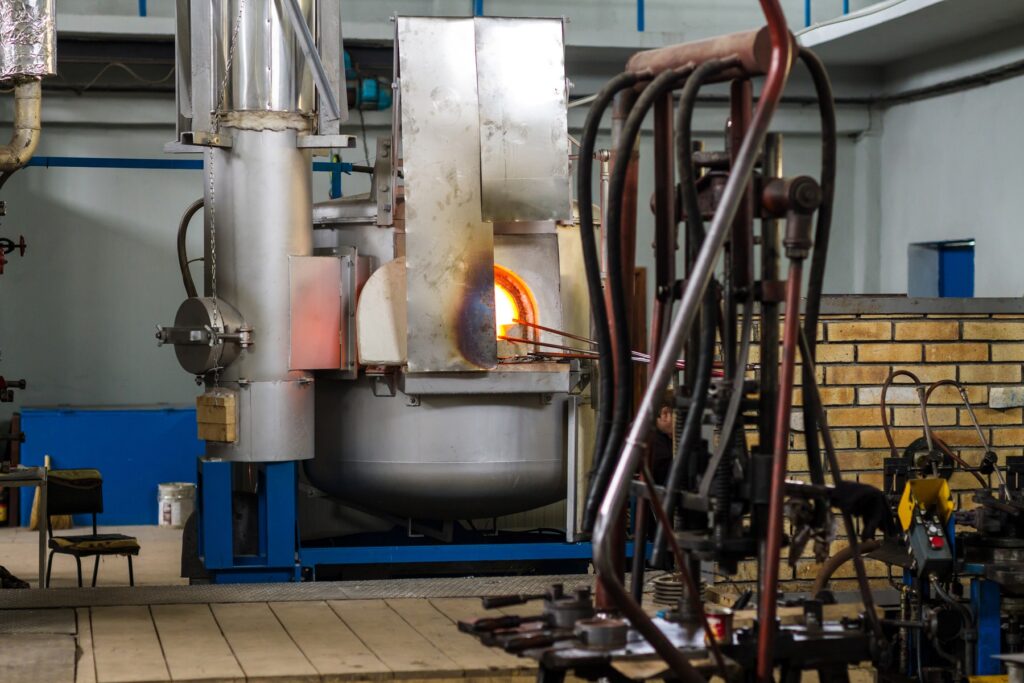
Vitrifying liquid waste into a glass form can also be a messy, waste-intensive process, according to GAO.
“Additionally, according to DOE documentation, the process of vitrifying 1 gallon of waste produces 1 to 3 gallons of secondary waste that may require additional treatment, including grouting,” GAO said. “As a result, DOE officials told us they must plan accordingly to address this added volume and ensure adequate capacity to grout this secondary waste.”
Grouting 24 million gallons of liquid tank waste could reasonably cost between $480 million to $1.1 billion, or $20 to $45 per gallon of waste, a figure not including the cost of transportation or disposal, GAO said in the report.
There are between 55 and 56 million gallons of radioactive and chemical waste at Hanford, left over from decades of plutonium production. GAO said DOE is currently evaluating bids from potential grout contractors.
The plan to harden much of Hanford’s less-radioactive waste into a concrete-like grout is meant to supplement the work of the site’s Waste Treatment and Immobilization Plant (WTP). The WTP built by Bechtel National started converting some of the less-radioactive waste into a glass form in October.
“DOE’s options for grouting Hanford LAW [low-activity waste] include designing and constructing a new grouting facility onsite at Hanford or transporting liquid waste to existing grouting facilities for treatment and permanent disposal,” GAO said in the report.
“In determining a path forward, DOE must consider a range of factors, including cost and schedule, associated risks, and permanent disposal options,” GAO said. “DOE must also consider whether to transport the waste in liquid or grouted form by truck or rail”
In January 2025, DOE, the Environmental Protection Agency, and Washington State agreed to grout about 24 million gallons of waste from 22 tanks and dispose of it as low-level waste outside the state—likely at the EnergySolutions site in Utah or Waste Control Specialists Site in Texas.
DOE must decide by July whether to grout this waste at Hanford and transport the grout for disposal, or to ship it offsite, which could mean transporting liquid waste, according to the GAO document.
DOE officials estimated that shipping the pretreated waste in liquid form by truck to the out-of-state disposal facilities would cost about $0.50 to $1.50 per gallon, according to GAO. “Accordingly, the total costs to transport 24 million gallons via truck could range from about $12 million to $36 million,” the report said. “Further, DOE officials we interviewed estimated that these costs would likely double to about $24 million to $72 million for shipping solid, grouted waste.”