The Department of Energy’s Office of Nuclear Energy mishandled the funding and overall development of the Carbon-Free Power Project based near DOE’s Idaho National Laboratory, the DOE Office of Inspector General (OIG) found in a recent audit.
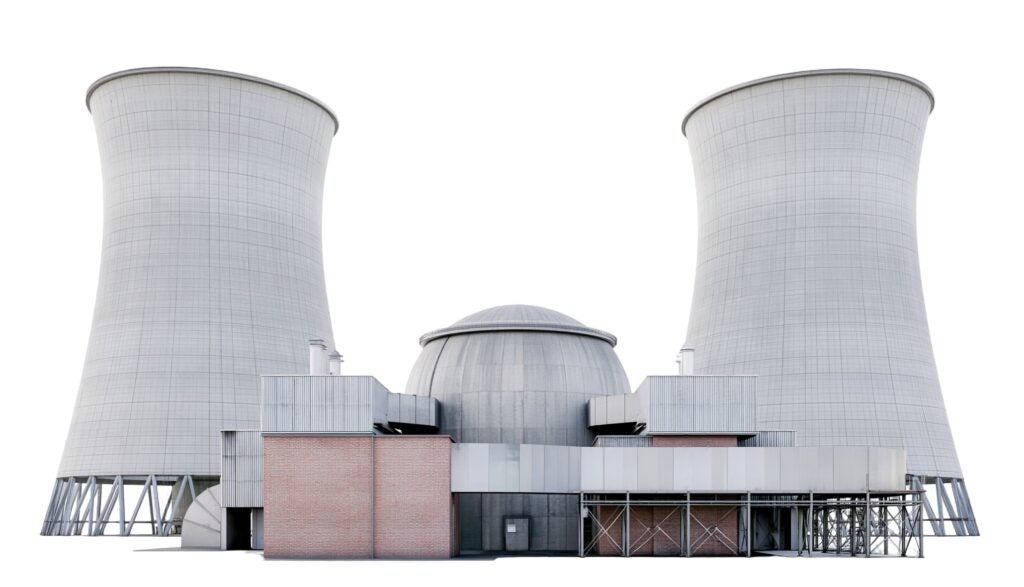
In October 2020, the Office of Nuclear Energy issued a 10-year, $1.36 billion award to Carbon-Free Power Project LLC, a subsidiary of Utah Associated Municipal Power Systems. The project, estimated to be worth $8.03 billion as a whole, intended to build a six-pack of NuScale Power’s 77-megawatt pressurized water small modular reactor (SMR) near Idaho National Laboratory (INL) to power the lab, Utah and surrounding states.
The Carbon-Free Power Project sought to have the first SMR at INL online by 2029. But in November 2023 NuScale and Utah Associated Municipal Power Systems agreed to terminate the project. According to the report, in January 2025 the Office of Nuclear Energy distributed $183 million of the $1.83 billion for the project. The subagency also agreed to front-load the cost-share, which puts the government at risk of losing $143.5 million since the cancellation of the project, OIG said.
In the 26-page March 24 report, OIG said that the Office of Nuclear Energy did not properly adequately assess the risk prior issuing the award, nor structure the award to manage possible risks and monitor the risks after the award.
“We determined that Nuclear Energy did not effectively evaluate critical project risks (technical, financial, and otherwise) prior to award, structure the award to monitor project risks, and perform sufficient oversight throughout project performance,” OIG said in the report. “We also found that Nuclear Energy did not ensure costs were allowable in accordance with award terms.”
Regarding the award’s lack of structure to monitor potential risks, OIG found that the Office of Nuclear Energy did not set specific milestones, performance progress metrics and reporting requirements to address subscription progress. Subscription means signing deals with communities and other electricity customers to pay for a certain amount of the plant’s megawatts, which is often crucial to first-of-a-kind nuclear energy projects, OIG found.
DOE Nuclear Energy also did not plan to review the project’s viability until the full notice to proceed milestone in October 2026, according to the report.
The Carbon-Free Power Project, not the Office of Nuclear Energy, was the one to create a subscription target of 80% to demonstrate subscription progress to the Utah Associated Municipal Power Systems project management committee nearly two years after the award was issued, according to the report.
OIG said the Office of Nuclear Energy’s issues primarily came from its inexperience managing awards of this nature, lack of involvement and failure to understand the “criticality of subscription risk to project success.”
Though the project has been canceled, OIG said the audit was performed to share the lessons learned for current and future projects. OIG provided five recommendations to the Office of Nuclear Energy following the findings of the audit. The recommendations were:
- Implement project management principles, such as evaluating risks and identifying strategies for project performance risks
- To install award performance measures to reflect project risks
- Make sure financial assistance award terms and conditions are met
- Determine the permissibility of the questioned legal costs
- Resolve cost-share amounts
According to the report, DOE management did not agree with the conclusion that the Office of Nuclear Energy mismanaged the project.
“As with any significant project, the department’s oversight role must strike a delicate balance wherein it ensures taxpayers’ dollars are used appropriately, without the oversight itself becoming so burdensome for the awardee that the project fails through cost overruns and schedule challenges,” Mike Goff, principal deputy assistant secretary for nuclear energy, said in a February letter included in the report.
“The report’s baseline conclusion is based on a flawed and overly critical assessment of NE’s [Office of Nuclear Energy] project management,” Goff added.
Additionally, DOE concurred with four of OIG’s five recommendations.
The audit was conducted from June 2024 to August 2025.