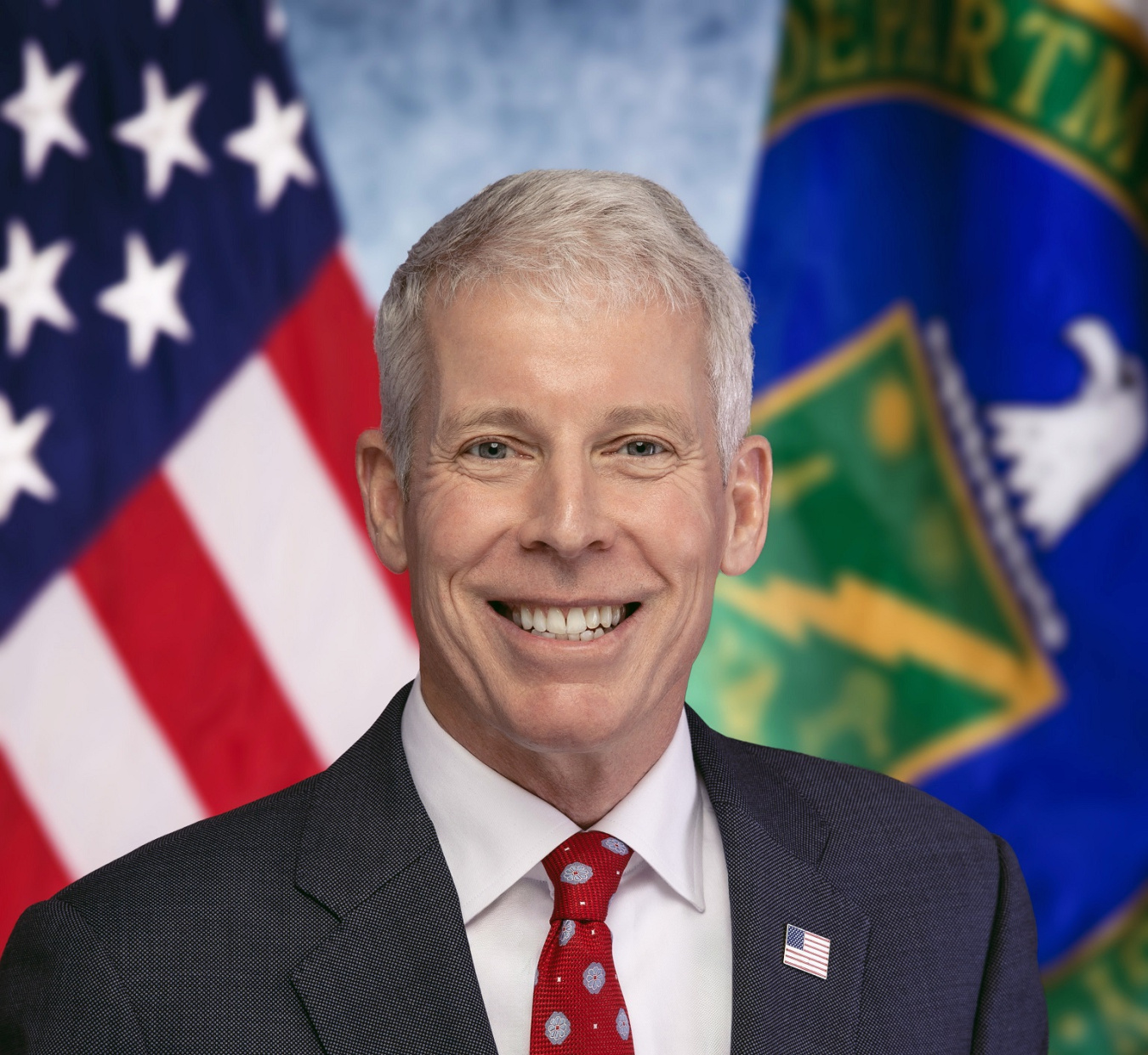
WASHINGTON, D.C. – Secretary of Energy Chris Wright said Wednesday the Department of Energy’s Office of Nuclear Energy has received 28 responses from states following DOE’s request for information for the Nuclear Lifecycle Innovation Campus program.
During a House Appropriations Energy and Water subcommittee hearing on DOE’s fiscal 2027 budget request, Wright said the nuclear hub could represent a partial solution to nuclear waste. Fuel reprocessing will also be a part of that nuclear waste strategy, Wright added.
“It’s growing and expanding and it’s not going to go away if we ignore it,” Wright said about nuclear waste. “I could say the same about the Iranian situation, just ignoring Iran is not going to end that problem but the same is true with this nuclear waste problem. If we want a nuclear future in our country we simply have to fix this problem. But I believe it is fixable.”
DOE’s solicitation, published Jan. 28, sought to gauge states’ interest in hosting a nuclear lifecycle campus that could include fuel fabrication, uranium enrichment and waste disposal. The campuses could also support a potential advanced reactor and a co-located data center.
Last week, Exchange Monitor reported that 25 to 28 states responded to DOE’s solicitation, with a handful of states, such as Tennessee and Texas, were interested in handling nuclear waste.
Rep. Mike Levin (D-Calif.), who represents the district where the decommissioned San Onofre Nuclear Generating Station, said he likes the approach DOE is taking with the lifecycle hubs, rather than saying up front where waste should go, such as the controversial Yucca Mountain Project in Nevada.
“I’m glad this administration is turning the page on this and focusing on developing projects collaboratively with the state,” Levin said, “so we can finally get this [nuclear spent fuel] liability under control.” The representative was alluding to federal liability for not taking charge of waste from shuttered nuclear power plants by the legal deadline.
Wright said the voluntary process has shown incredible interest in the lifecycle hubs, which could eventually provide spent fuel reprocessing and in some cases waste disposal. “I’m very excited about that.”
Levin asked Wright if Congress will need to update the Nuclear Waste Policy Act (NWPA) to fulfill DOE’s backend vision for the nuclear lifecycle hubs model. “Because if so, we better get working on it.”
“Yeah. The short answer is I don’t know,” Wright said. “I think it is possible that we will need to as we get more clarity,” the energy secretary said, adding it will be important for DOE to work with Congress.
The 1987 amendments to NWPA directed the federal government to study Yucca Mountain in Nevada as the permanent repository for the country’s nuclear waste. The state of Nevada opposed the Yucca Mountain project for years and it was canceled during the Barack Obama administration.
The waste policy also does not account for fuel recycling. DOE Idaho National Laboratory John Wagner said at a Senate hearing last month that Congress should consider updating the NWPA to provide incentives and bring a framework for fuel recycling.
Levin followed up with Wright also about the possibility of a single purpose subagency that will focus on nuclear waste management. Levin and Rep. August Pfluger (R-Texas) introduced legislation titled the Nuclear Waste Administration Act in September 2024 that would legally create an independent federal agency.
Wright said a single purpose waste management merits future discussion as DOE is trying to figure out which states are interested in handling nuclear waste first.
An agency solely focused on nuclear waste management has been an idea floated around for many years. The Blue Ribbon Commission during the Obama administration released a report in 2012 discussing the nuclear future in America and among many of the recommendations, creating a single purpose entity to oversee nuclear waste management was one of them.