Final WIPP Figures for December, 2021 Show More Shipments Than 2020

The final numbers for December confirm 2021 was a bounce-back year of sorts for the Department of Energy’s Waste Isolation Pilot Plant in New Mexico, which disposed of 21 more shipments of transuranic waste than during its first year of the COVID-19 pandemic.

The Waste Isolation Pilot Plant (WIPP) near Carlsbad, N.M., received 20 shipments of defense-related transuranic waste in December, with 11 coming from the Idaho National Laboratory, six from the Los Alamos National Laboratory in New Mexico and three from the Savannah River Site in South Carolina. 

The disposal site, a deep-underground salt mine, received 10 transuranic waste shipments during December 2020, according to data on WIPP’s public shipment website.

For the 2021 calendar year, WIPP received 213 shipments, up from 192 in 2020, according to the website. 

Reinhard Knerr, manager of DOE’s Carlsbad Field Office, has said the federal agency is targeting 400 shipments for the 2022 fiscal year, which started Oct. 1. If DOE takes in that many shipments during the fiscal year it would essentially double the 199 shipments from the year-ago period. 

But WIPP has a long way to go. During the first three months of fiscal 2022, the facility has only received 64 shipments.

Since it resumed disposal operations in 2017, following a February 2014 underground radiation leak, WIPP’s best calendar year number was 311 during 2018. The government hopes completion of the Safety Significant Confinement Ventilation System between now and 2016 will again allow simultaneous maintenance, salt mining and waste disposal, something that has not been possible since before the 2014 accident. 

In This Issue

More on This Topic


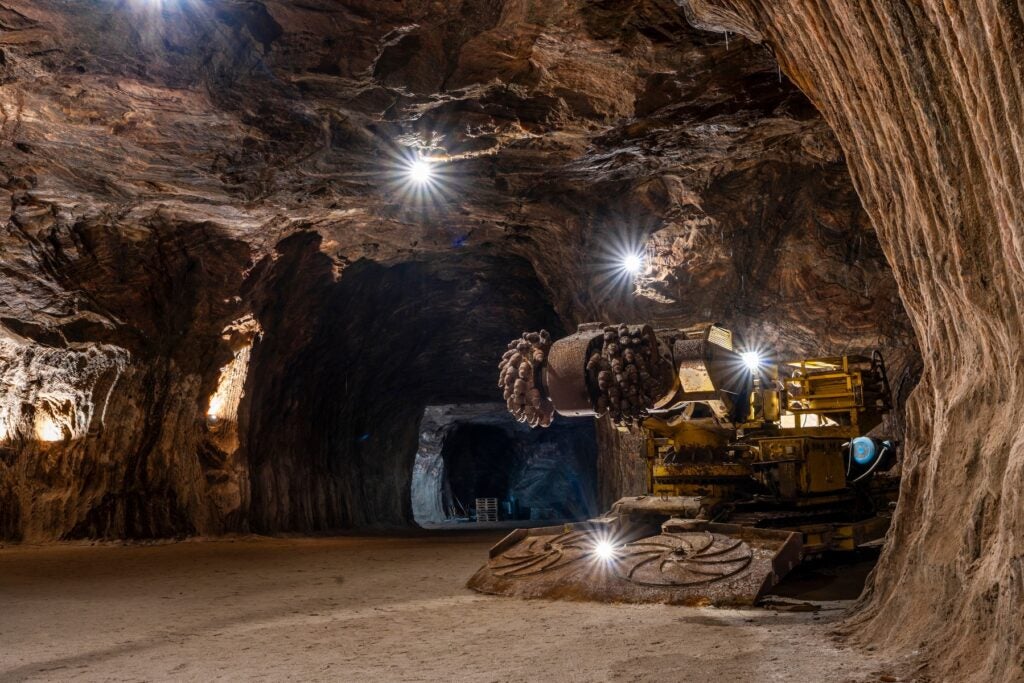
A tunnel boring machine operating inside an underground rock-salt mine tunnel.

DNFSB resident inspector checks out emergency drill at Hanford

A Defense Nuclear Facilities Safety Board (DNFSB) resident inspector watched an emergency drill at the Department of Energy’s Hanford Site in Washington state in August to see how crews might handle an earthquake that damaged facilities within the tank farms. “An RI [resident inspector] observed an emergency preparedness event-scene limited drill simulating a seismic event […]