INTERNATIONAL ISOTOPES REPORTS NET LOSS IN 2013
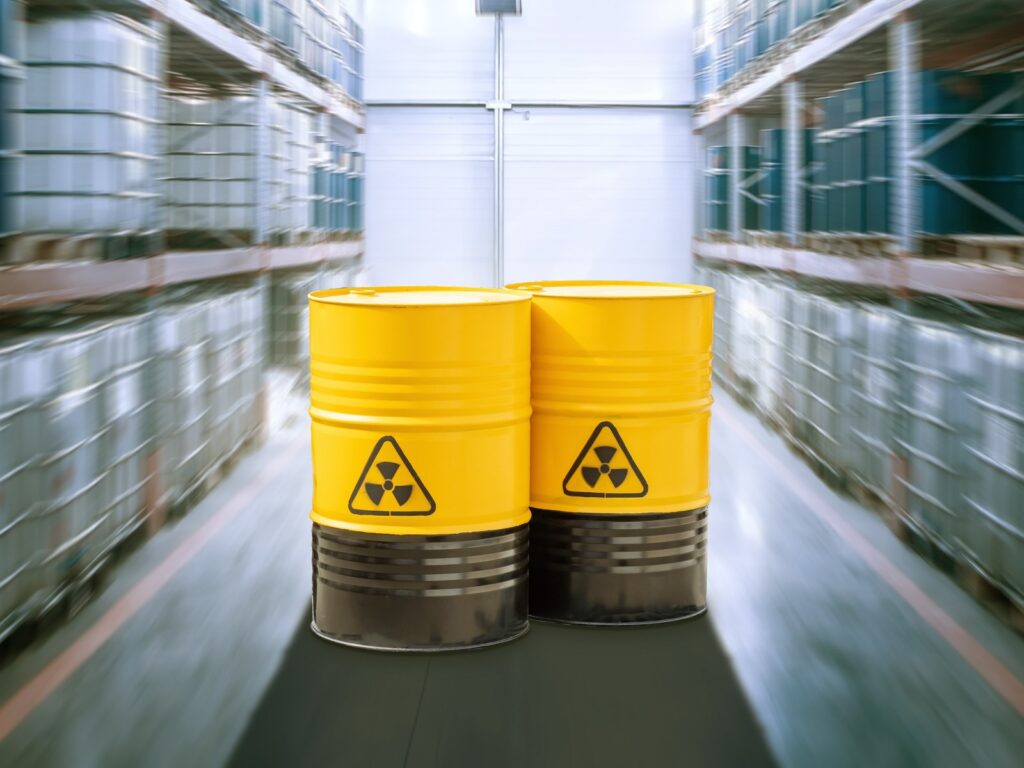
International Isotopes suffered another negative year in 2013, with a net loss of approximately $2.5 million, according to a company release yesterday. The net loss in 2013 increased approximately ten percent compared to the $2.2 million net loss suffered in 2012. The company placed much of the blame for the poor year on a decrease in availability along with the increase in cost of obtaining cobalt material for its isotope production. “We are not aware of any near future price increases that could potentially affect our cost of revenues and we will continue to implement cost cutting and process improvement measures to further reduce the cost of revenue and operational expenses, which should contribute to much improved performance within our segments and for the overall improved financial performance for the company in 2014,” International Isotopes President Steve Laflin said in a statement. “As a part of our efforts to further improve the financial performance of the Company, and until such time that there are additional opportunities in the nuclear sector for depleted uranium de-conversion services, we will continue to delay further engineering work on the de-conversion project until we are able to secure additional contracts for de-conversion services.”

More on This Topic


NRC wants to bring more clarity in GTCC disposal rulemaking, Marzano says

ARLINGTON, Va. – The Nuclear Regulatory Commission is working to continue navigating the management of Greater than Class C (GTCC) waste through recent rulemaking, Commissioner Matthew Marzano said Wednesday here.

The NRC Commissioner opened up the third and final day of the Nuclear Cleanup Workshop with a keynote address focused on the agency in the cleanup sector. The rulemaking, published in the Federal Register on July 1, proposes a framework for land disposal of low-level radioactive waste by allowing disposal facilities to manage a broader range of nuclear materials. It also aims to create a pathway for the disposal of GTCC radioactive waste, which is a type of waste with a higher concentration of radionuclides than other low-level waste types.

As part of the rulemaking, NRC will maintain authority over GTCC radioactive waste disposal. However, Marzano said the public has had questions about whether NRC Agreement States or the NRC itself should have that authority.

While Marzano did not answer the question on which entity should license facilities that handle GTCC waste, he said the public comment period in this accelerated rulemaking process is important in helping the agency figure out which direction it should go in the final rule.

“We need to get those comments,” Marzano said. “We need to understand where the proposed rule isn’t enough, and if that is not the best solution, to have the justification for why we need to make a pivot in the final.”

Many public comments have said that the rulemaking could cause conflict between the states and federal agencies.

NRC Agreement States legally assumed authority from the agency to manage Class A, B and C low-level waste at disposal facilities. With the NRC assuming licensing authority over GTCC waste, organizations like the Nuclear Innovation Alliance said separating GTCC waste management from the other low-level waste streams at the same facility could cause inconsistent regulatory authority between the state and NRC.

In This Issue

More on This Topic