Long-dormant Ventilation Fan Being Tested This Week at WIPP

This week the Department of Energy’s Waste Isolation Pilot Plant in New Mexico plans a short-duration test of its idle 700-C ventilation fan to increase underground airflow during certain work.

The testing will last about four hours, according to a press release issued late Friday by the DOE’s prime contractor for the Waste Isolation Plant (WIPP), the Amentum-led Nuclear Waste Partnership.

The test depends upon “very-specific weather conditions,” so delays are possible, according to the release. The test had not started as of Tuesday, contractor spokesman Donavan Mager said around deadline time for Weapons Complex Morning Briefing.

In a WIPP town hall presentation last month, managers said restarting the fan would help the facility meet more restrictive underground air quality standards by helping vent underground diesel emissions and reducing the potential for heat stress.

The Mine Safety and Health Administration has long favored more airflow to the WIPP underground, according to the December presentation.

Underground air quality has been a concern at WIPP for over two years, and the contractor is taking mitigation measures to improve the situation.

The long-range fix is at least a couple of years away with construction of  the Safety Significant Confinement Ventilation System intended to increase airflow to 540,000 cubic feet per minute, more than triple the current rate. But the timeline for the new ventilation project is being “re-baselined” after termination of the subcontract for the new system last August, Mager said via email.

The 700-C fan has an unfiltered underground airflow capacity of up to 240,000 cubic feet per minute, or a 94,000 cubic feet per minute increase over the existing systems.

The 700 series fans were last used in 2014, Mager said. An underground radiation leak in the WIPP underground in February 2014 forced the transuranic waste site offline for about three years. 

In This Issue

More on This Topic


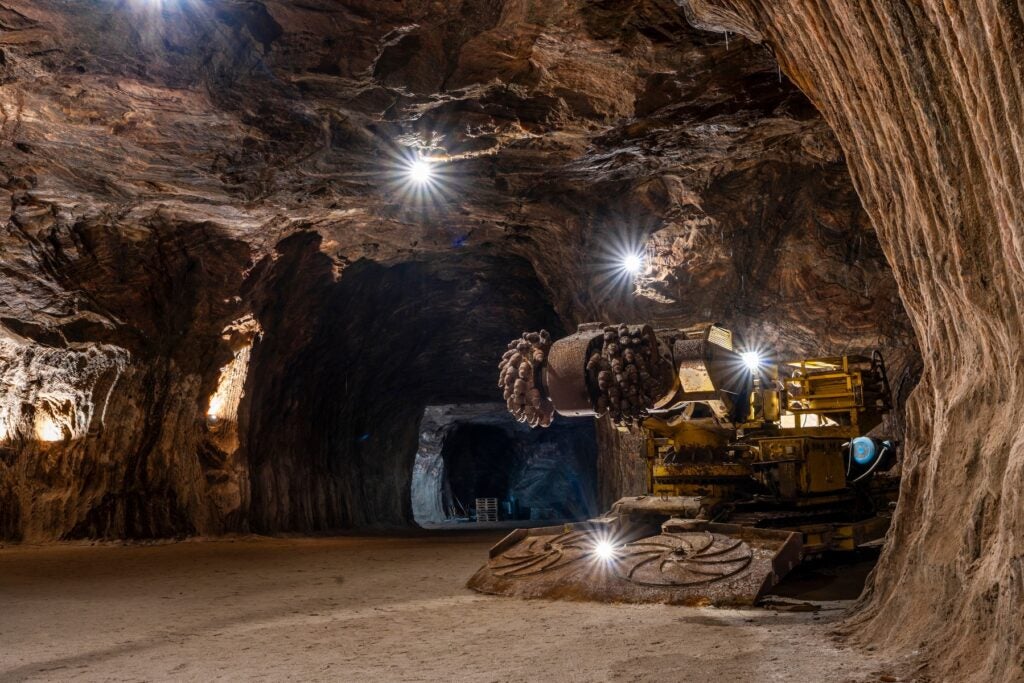
A tunnel boring machine operating inside an underground rock-salt mine tunnel.

DNFSB resident inspector checks out emergency drill at Hanford

A Defense Nuclear Facilities Safety Board (DNFSB) resident inspector watched an emergency drill at the Department of Energy’s Hanford Site in Washington state in August to see how crews might handle an earthquake that damaged facilities within the tank farms. “An RI [resident inspector] observed an emergency preparedness event-scene limited drill simulating a seismic event […]