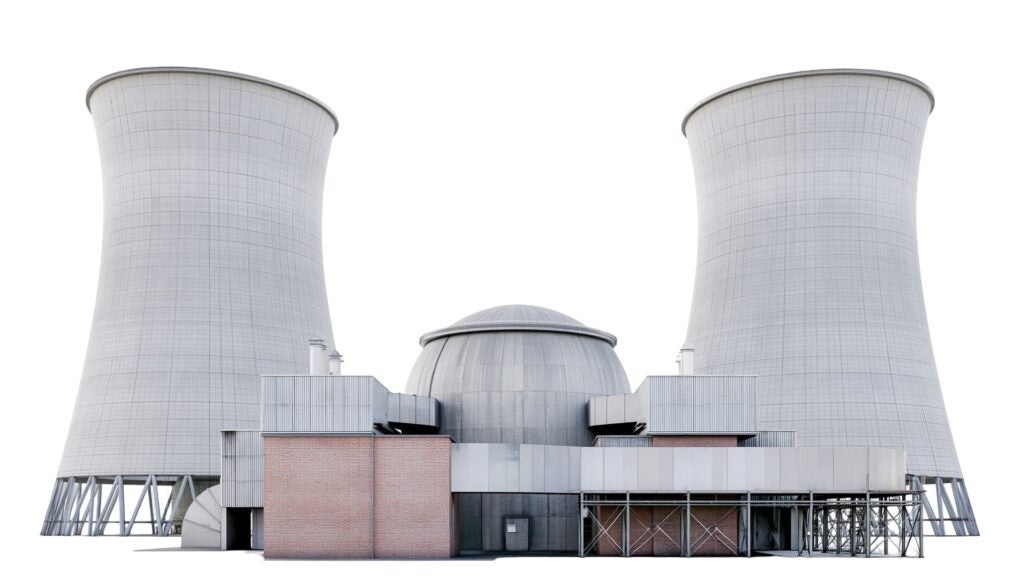
The Nuclear Regulatory Commission has received a petition to consolidate all regulations that relate to the environmental impacts of spent fuel storage and disposal, according to a posting in the Federal Register yesterday. The petitioners include the same group of 34 activist organizations that grouped together to petition the NRC to consider the expedited transfer of spent fuel pools to dry cask storage due to the potential for pool fires. “Issues related to spent fuel storage and disposal impacts are now balkanized into separate rulemakings for spent fuel disposal impacts, safety and impacts of spent fuel storage and disposal from fuel generated during the license renewal period, safety and impacts of spent fuel storage after license termination, and safety and feasibility of siting a spent fuel repository,” the petition said. “While the NRC has divided consideration of environmental impacts into piecemeal decision-making, they are in fact related. By considering them separately, the NRC ignores the interaction of impacts, cumulative impacts, and inconsistencies in safety and environmental analyses conducted in the separate decision-making processes.” The call for consolidation came with a long document containing comments against the draft Waste Confidence ruling that said spent fuel can be stored on site for 60 years past a reactor’s licensed life. The NRC will consider the petition in its rulemaking, but it has not requested a public comment period for the petition at this time, the posting said.
NRC RECEIVES PETITION TO CONSOLIDATE SPENT FUEL STORAGE REGULATIONS

DOE explores potential use of Nuclear Waste Fund for innovation campus program
WASHINGTON – The Department of Energy could consider using the Nuclear Waste Fund to help fund waste management-related facilities to go online at Nuclear Lifecycle Innovation Campuses. During the House Energy and Commerce’s Energy subcommittee hearing Tuesday, DOE’s Assistant Secretary for Nuclear Energy Ted Garrish told the panel that the department and Congress need to […]