
The statement also opposes language that would require the transfer of National Nuclear Security Administration excess facilities within three years of the Environmental Management (EM) program for decontaminating and decommissioning (D&D). “In January 10 2015, the Secretary established a working group that is already developing an analysis and options for how the Department may prioritize and address the numerous contaminated excess facilities owned by the various DOE program offices,” the statement reads. “The path forward for disposition of these facilities should be determined through this ongoing analysis and appropriate planning, not a required three-year timeline for transfer.” The Administration also stated its opposition to NDAA language that would limit funding for nuclear weapons dismantlement, as well as a section that would limit and condition authorizations of technology transfers and assistance to countries that have a naval nuclear propulsion program.
White House Threatens Veto Over Nuclear Provisions in House Defense Authorization
The White House yesterday released a Statement of Administration Policy that stated President Barack Obama’s “senior advisers would recommend” a veto if Congress approves the House Armed Services Committee’s version of the Fiscal Year 2016 National Defense Authorization Act. The 11-page statement outlines the Administration’s opposition to eight NDAA elements that involve nuclear technology, nuclear weapons or nonproliferation. Notably, the White House pushed back against language that would require the Energy Secretary to carry out construction and project support for the Mixed Oxide (MOX) Fuel Fabrication Facility. “This language is unnecessarily restrictive and would preclude alternative, and potentially more cost-effective approaches to implementing U.S. commitments in the 2000 Plutonium Management and Disposition Agreement and its 2010 annex to dispose of excess weapons plutonium,” the statement reads. “The Department of Energy (DOE) contracted for an independent validation of costs for plutonium disposition alternatives in accordance with congressional mandates.”
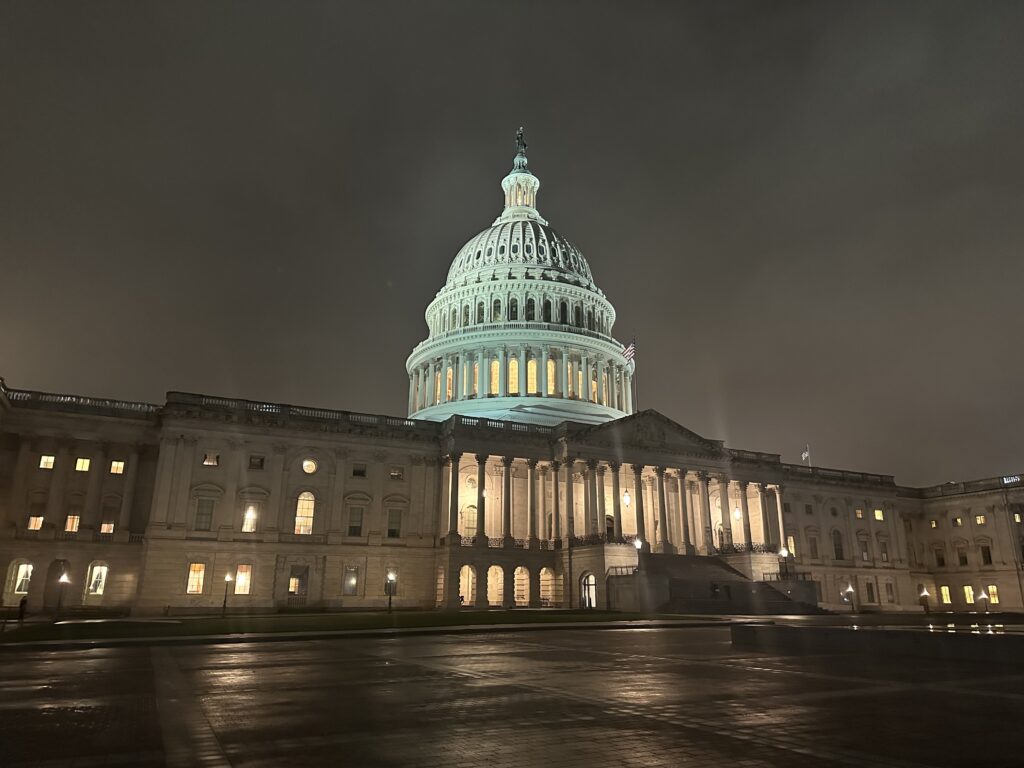
Congress forages for answers on the logistics of DOE’s nuclear campus program
WASHINGTON — Nuclear industry experts and Congress continue to navigate the early development stages of the Department of Energy’s Nuclear Lifecycle Innovation Campus program. During the Senate Environment and Public Works Committee’s Wednesday hearing, multiple senators sought further understanding of the inner workings, such as funding, interagency partnerships and disposal of different types of wastes, […]