Next Monday, Feb. 28, is the current target for a return-to-onsite work for most Department of Energy Idaho National Laboratory personnel, according to a recent staff report from the Defense Nuclear Facilities Safety Board, which said COVID-19 is still complicating work there.
Another Defense Nuclear Facilities Safety Board (DNFSB) memo said COVID is also still slowing operations for the prime contractor for the Waste Isolation Pilot Plant (WIPP) in New Mexico.
High COVID-19 caseloads caused the Idaho National Laboratory (INL) to push back the onsite return plan until Feb. 28, according to the DNFSB memo dated Feb. 4.
“Since January 10, 2022, over one quarter of all the Department of Energy Idaho Clean-up Project staff experienced break-through COVID-19 cases,” according to the one-page DNFSB document.
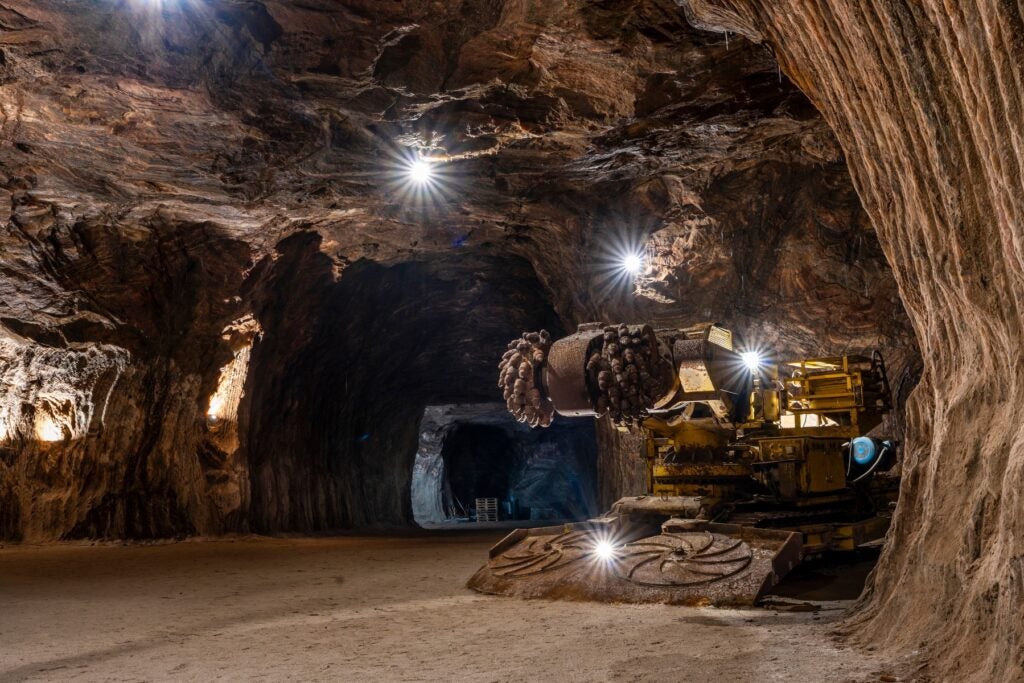
At WIPP, “[t]he increase in COVID-19 cases at the site has caused a shortage of Nuclear Waste Partnership, LLC (NWP), personnel in the areas of mining, radiological-control, and maintenance,” according to the other DNFSB staff report.
Most “site flexible” staff at DOE facilities are scheduled to return to their pre-pandemic work sites by Feb. 28 and most others should be back onsite by March 14, according to a plan laid out last month by Tarak Shah, chief of staff to Secretary of Energy Jennifer Granholm.
This comes as COVID cases across DOE Office of Environmental Management cleanup sites are gradually decreasing following a big spike since December due in part to the very contagious omicron variant. As of Feb. 17, the weekly confirmed cases of COVID was 153 across environmental management, down from 298 a week earlier and a whopping 775 before that.