Weapons Complex Monitor Vol. 37 No. 08
Visit Archives | Return to Issue
PDF
Weapons Complex Monitor
Article 1 of 9
February 27, 2026

DOE seeks Hanford permit mod to grout some secondary waste

By Wayne Barber

The Department of Energy’s Hanford Field Office has asked Washington state for a permit change that could enable the Waste Treatment and Immobilization Plant (WTP) to process up to 20% more tank waste.

The feds said in a Wednesday press release they want to use grout to solidify some of the secondary waste generated at WTP. This secondary waste is generated during the vitrification process at WTP’s Effluent Management Facility, according to a link to the proposed permit modification

The Washington state Department of Ecology has been talking with DOE about the requested modification but has not yet acted upon the requested change as it was only submitted Wednesday, an Ecology spokesperson said by email Thursday.   

A 60-day public comment period is underway and a public meeting is set for 5:30 p.m. Pacific Time on March 24 at the Richland Public Library. This is part of the standard Resource Conservation and Recovery Act public review. The comment period runs through April 26. 

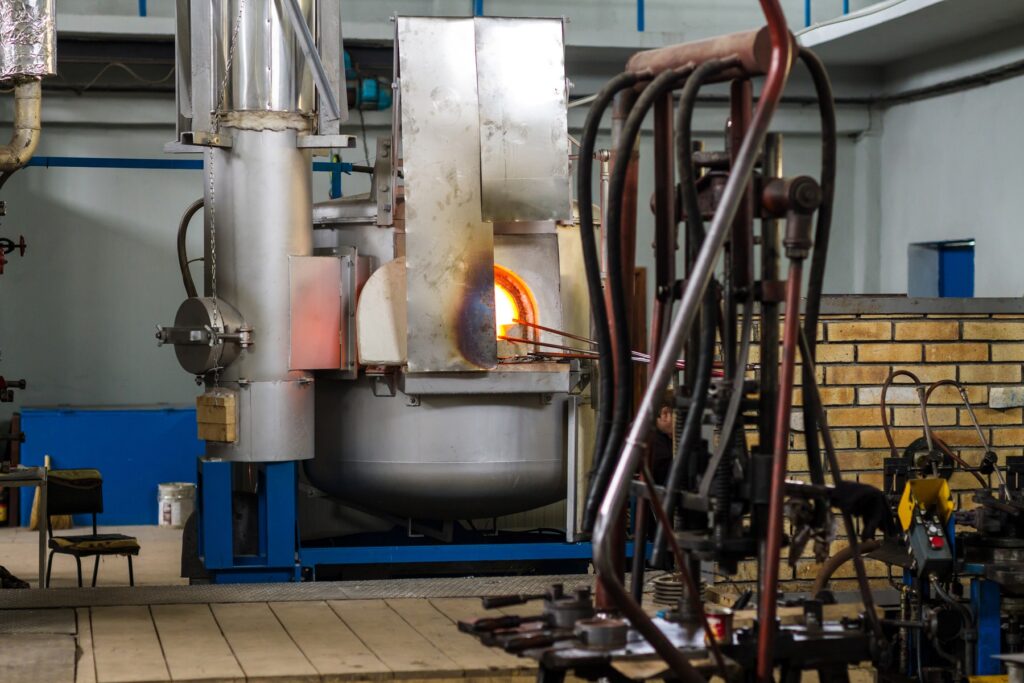
For every gallon of Hanford tank waste vitrified into glass, between one and three gallons of less hazardous secondary waste is created as a byproduct of the glass-making process, DOE said in the release. The permit change will enable a shift from solidifying a portion of the less hazardous secondary material in glass to solidifying it in grout locally at Richland, Wash., and shipping it out of Washington state for commercial disposal.

The Tri-City Herald newspaper reported this week the grouting is expected to take place at the Perma-Fix plant near the Hanford Site. 

DOE envisions shipping grouted low-level waste to disposal sites such as the EnergySolutions facility in Clive, Utah and the Waste Control Specialists property in Andrews County, Texas, according to various public filings. 

The permit modification builds on the 2,000-gallon Test Bed Initiative and maximizes throughput of the Waste Treatment Plant, DOE said. DOE said the modification will enable Hanford to avoid operational challenges and keep the Waste Treatment Plant melters focused on turning tank waste into glass.

“Advancing this permit modification reflects our commitment to teamwork, responsible stewardship of taxpayer investments and a practical approach to cleanup,” said Ray Geimer, DOE Hanford Field Office manager in the release. “By creating a more efficient pathway for managing secondary waste produced as a byproduct of the glass-making process, we can keep treatment operations moving and expedite the cleanup mission.”

“This is a common-sense step that supports both efficiency and safety,” Geimer added. “It gives the site additional flexibility while continuing to meet regulatory requirements and protecting workers, the public and the environment.”

Hanford has roughly 56 million gallons of liquid radioactive and hazardous waste held in underground storage tanks for years, and some tanks have already leaked. The waste resulted from Hanford’s decades of producing plutonium for the U.S. government. 

Most of the waste is low-level, and research overseen by the National Academies and DOE’s Savannah River National Laboratory has endorsed grout as a potentially less-expensive option to building a second glass-making plant at Hanford in addition to the WTP.

While WTP is expected to glassify all the high-level tank waste at Hanford starting in the 2030s, the plant is not protected to accommodate the high volume of low-level waste so a backup is needed, according to the National Academies work. 

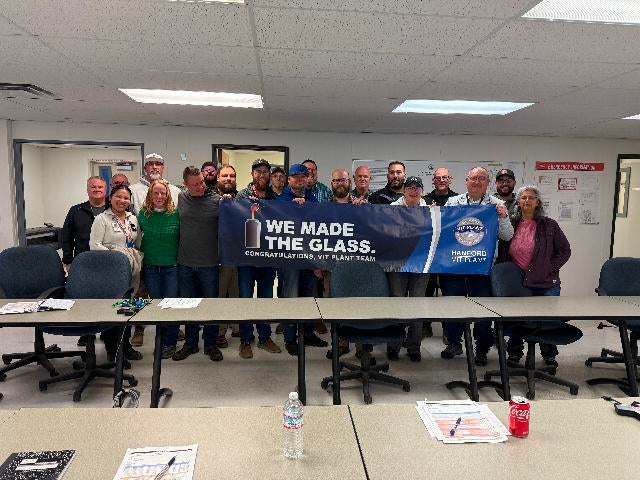
After billions of dollars and decades of work, the WTP started to solidify its first batches of low-level tank waste into glass in October 2025. The plant vitrified 40,000 gallons of tank waste into glass form in 2025, Bechtel National’s WTP project manager told the Exchange Monitor in January. 

Comments are closed.