The Department of Transportation (DOT) and the Port of Corpus Christi in Texas agreed to partner up to explore small modular reactors (SMRs) for maritime purposes.
Secretary of Transportation Sean Duffy, Maritime Administrator Stephen Carmel and Rep. Michael Cloud (R-Texas) from the House Appropriations’ Energy and Water subcommittee were all in attendance for the signing of the agreement, according to the Department of Transportation’s Aug. 19 press release.
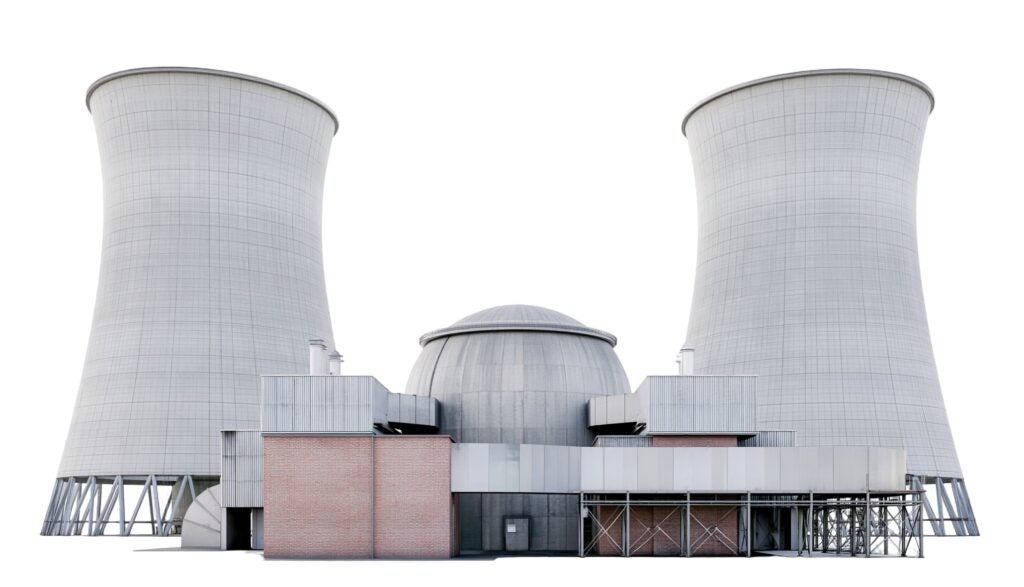
Under a memorandum of cooperation between the Maritime Administration, an agency under DOT, and Port of Corpus Christi, the two entities will seek potential opportunities to progress maritime power systems through the use of SMRs, port microgrids and shoreside power infrastructure, according to the release.
The Port of Corpus Christi is the largest port for petroleum exports in the United States and leads the country in liquefied natural gas shipments, DOT said. According to the Texas Comptroller of Public Accounts website, the port serves as the largest energy export in the country and the third-largest exporter of crude oil internationally.
Given its the port’s existing involvement with energy-related exports, the transportation department said it hopes that the partnership with the Port of Corpus Christi and innovations in SMR technologies could “help revitalize U.S. shipbuilding, cut fuel costs, and restore America’s maritime dominance.”
“Small modular reactors have the potential to reshape America’s maritime sector, lower shipping costs, and bolster our supply chains,” Duffy said in the release. “I’m thrilled that the Port of Corpus Christi is embracing this exciting partnership with the Trump Administration to ensure the United States leads the way in innovation. Maritime dominance starts with rebuilding America’s fleet with this state-of-the-art technology.”
This is the second agreement made by DOT under the SMR initiative, which Duffy announced in May. The first agreement was made between the department and the Port of Long Beach in California.