Morning Briefing - June 23, 2026
Visit Archives | Return to Issue
PDF
Morning Briefing
Article 2 of 7
June 22, 2026

New Mexico Oks WIPP change connected to temporary pause in shipments

By ExchangeMonitor

The New Mexico Environment Department (NMED) last week approved the Department of Energy’s request extending how long the Waste Isolation Pilot Plant (WIPP) can hold certain drums of transuranic waste in temporary storage areas pending underground disposal.

Meanwhile, the comment period on a separate WIPP issue, where the state of New Mexico is seeking to overhaul the disposal site’s permit for the second time in three years, was set to end Monday June 22.

In a June 17 letter, the head of NMED’s Hazardous Waste Bureau John David Nance agreed to grant DOE and its Bechtel-led contractor a 60-day storage time extension until Aug. 27 on how long it could keep containers of contact-handled transuranic waste in certain areas.

DOE and its WIPP contractor sought the extension June 16. The request came after pending repairs to both the Air Intake Shaft Hoist and the Salt Hoist effectively forced WIPP to stop underground waste emplacement until August.

The approval extends the storage time for the affected containers may be kept in the Waste Handling Building (WHB) CH-Bay Storage Area and even a WIPP parking area.

Meanwhile the public comment period closed Monday, June 22, on NMED’s proposal to revise the WIPP permit it issued in 2024 in order to further prioritize shipments to WIPP from the Los Alamos National Laboratory.

Nuclear Watch New Mexico, a frequent DOE critic, supports the main proposed changes it said in a Monday email to supporters. Among other things, NMED wants at least 55% of the total volume of all waste emplaced at WIPP between Jan. 1 2027 and Dec. 31, 2031 to be Los Alamos legacy waste.

The New Mexico-backed permit change is opposed by the Energy Communities Alliance and other groups.

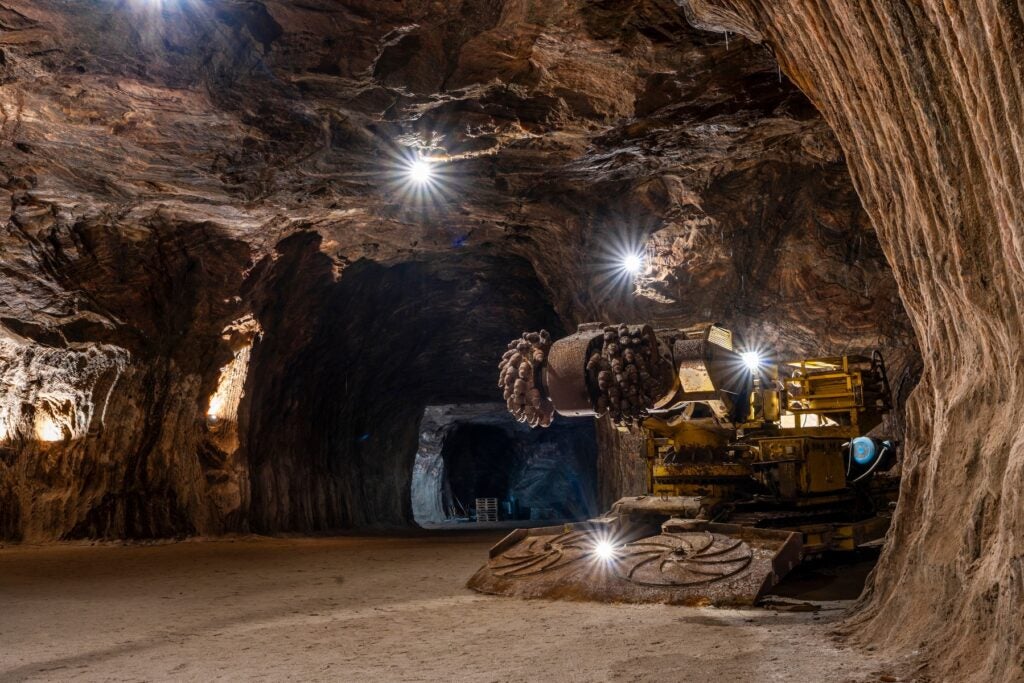
WIPP, located near Carlsbad, N.M., is the nation’s only underground disposal site for defense-related transuranic waste. The waste can include old tools, rags, clothes, dirt and debris generated from past nuclear work.

Comments are closed.