The Nuclear Regulatory Commission (NRC) has found no significant impact in the environmental assessment of Dow and X-Energy’s construction permit application for their Texas small modular reactor (SMR) station..
NRC said on Monday the environmental assessment was completed ahead of schedule. It also determined an environmental assessment was sufficient for X-Energy’s Texas project than an environmental impact statement due to its “limited environmental footprint at an existing industrial location,” according to NRC’s press release.
According to X-Energy’s Monday press release, Dow and X-Energy’s application included a 1,000+ page environmental report supported by field surveys, groundwater monitoring wells with 12 months of water quality measurements and engagement with several Texas state agencies.
“This is a significant milestone for the Long Mott Energy project, and we appreciate the comprehensive and efficient manner in which the NRC conducted its assessment,” Edward Stones, business vice president, Energy and Climate for Dow, said.
NRC expects to complete its safety review for X-Energy and Dow’s application later this year and a final decision on the permit would follow. In June 2025, NRC released an 18-month review schedule for this advanced nuclear project.
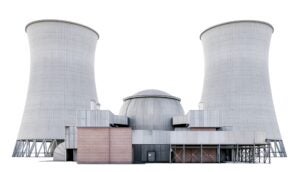
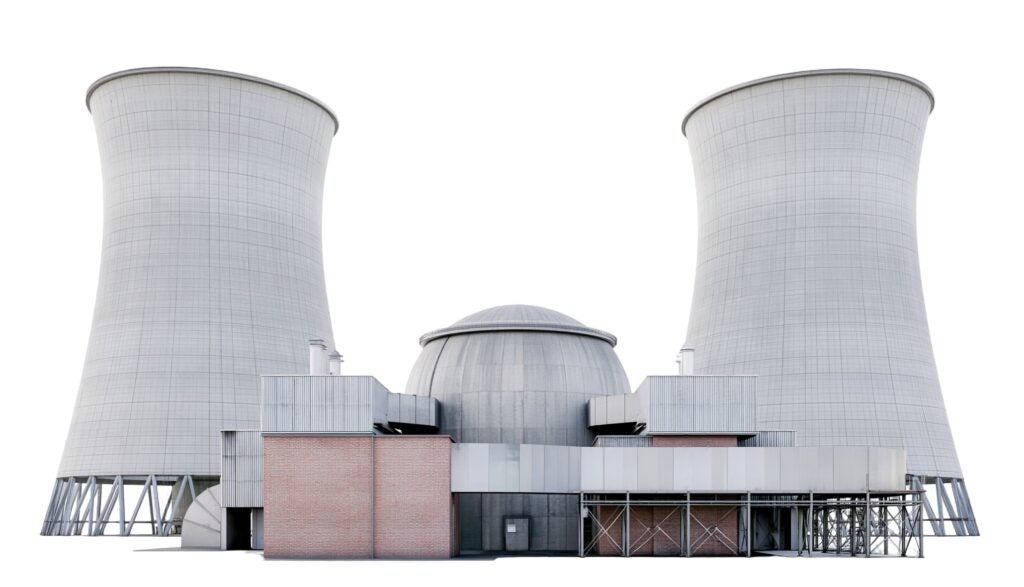
Filed under Dow’s subsidiary Long Mott Energy in March 2025, the construction permit application seeks to build a four-reactor station using X-Energy’s Xe-100 SMR design. This power plant will be used to power Dow’s UCC Seadrift Operations manufacturing location, which is currently powered by natural gas.
The Xe-100 reactor that X-Energy is developing is a high-temperature gas-cooled SMR capable of producing 80 megawatts of electricity. The reactor is designed to operate as a four-pack power plant that generates 320 megawatts. It also will use tri-structural isotropic, also known as TRISO, fuel to power the reactor.
X-Energy’s Texas SMR plant is supported by the Department of Energy’s Advanced Reactor Demonstration Program, which promotes development and demonstration of advanced nuclear projects.