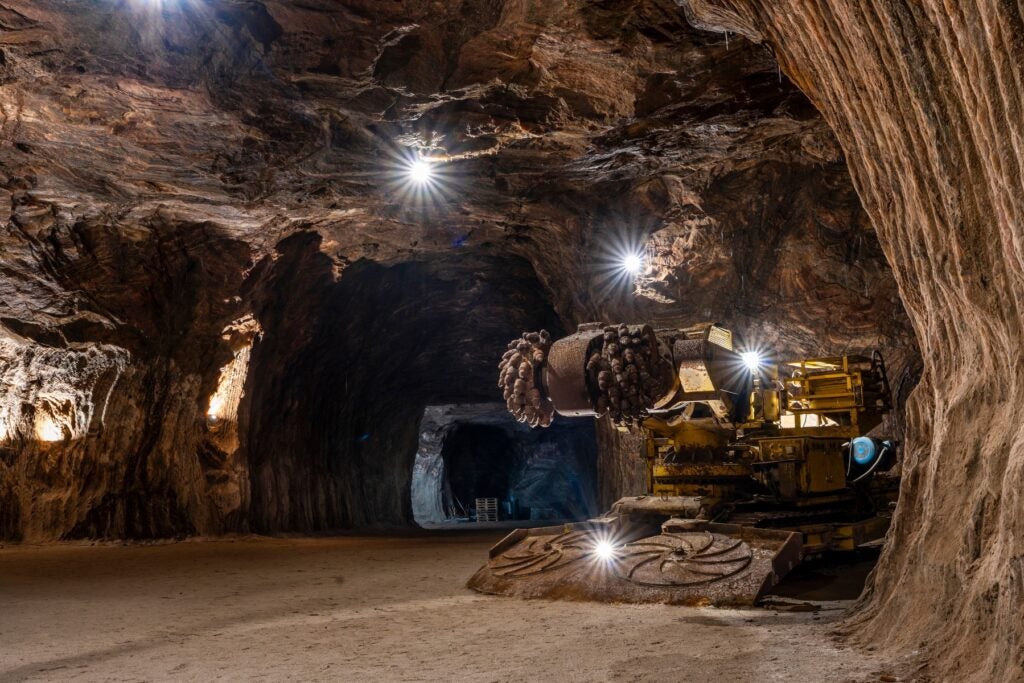
The Department of Energy’s Waste Isolation Pilot Plant near Carlsbad, N.M., received 36 shipments of defense-related transuranic waste during October, according to the agency’s public website for the facility.
The figure is current as of Wednesday Nov. 15. There is typically about a two-week lag time between a shipment arriving at the Waste Isolation Pilot Plant (WIPP) underground and when it is recorded on the public website.
The monthly total includes 28 shipments from Idaho National Laboratory, six from the Los Alamos National Laboratory in New Mexico, one from the Oak Ridge Site in Tennessee and one from the Savannah River Site in South Carolina.
The 36 shipments is down from the 48 shipments WIPP received during September but up from the 29 shipments received at the underground salt mine during October 2022.
During the first 10 months of the 2023 calendar year, WIPP has taken in 411 transuranic waste shipments, which is more than double the 203 during the first 10 months of 2022, according to the WIPP website.
Defense transuranic radioactive waste, which contains elements heavier than uranium, is typically found in debris, tools, rags, clothes and other materials produced as an offshoot of nuclear weapons production. Radionuclides in such waste have a half-life of at least 20 years.