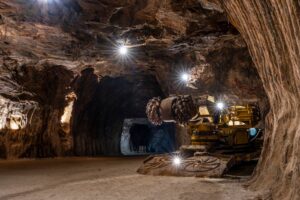
Carlsbad, N.M. — A proposed overhaul of the Waste Isolation Pilot Plant (WIPP) hazardous waste permit drew mixed reactions at Tuesday’s community forum, with stakeholders clashing over whether the changes would ease or create a bottleneck in federal cleanup efforts.
The New Mexico Environment Department (NMED) is proposing revisions that would require DOE to prioritize disposal of legacy waste from Los Alamos National Laboratory (LANL) by embedding fixed allocation targets into WIPP’s operating permit. Under the draft, LANL waste would account for 55% of total disposal volume from 2027 through 2031, rising to 75% in 2032.
NMED officials said the changes aim to accelerate cleanup commitments tied to a 2023 settlement agreement. The agency is using the permit process to move from voluntary goals to enforceable requirements.
At the session hosted by the DOE Carlsbad Field Office and Salado Isolation Mining Contractors (SIMCO), participants indicated the proposal could shift, rather than resolve, system constraints. The dispute reflects a three-way tension among local demands for stable operations, the state’s push to codify cleanup priorities in the permit, and DOE’s need to preserve flexibility across the national weapons complex.
Carlsbad-area officials, business leaders and workers warned that the proposed permit changes could restrict shipments, slow operations at a facility they say is safe and under capacity, and weaken the regional economy. They argued reduced throughput would threaten high-paying jobs without improving safety.
Environmental watchdogs urged NMED to go further, calling for tighter definitions of “legacy waste” and stricter limits on future shipments not tied to Cold War-era cleanup.
Joni Arends of Concerned Citizens for Nuclear Safety said officials should not overlook the risks of above-ground storage at LANL, recalling that during the 2000 Cerro Grande Fire there were “40,000 drums of transuranic waste sitting in Area G on the surface.”
Cynthia Weehler of the ‘Fire on the Mountain Campaign’ accused southeastern New Mexico communities of supporting DOE priorities at the expense of other parts of the state. She noted accounts in which a laboratory official said that if a similar wildfire broke out again, crews would cover the drums with fire blankets but could only hope the flames would subside before the drums overheat and trigger a reaction “like the one that closed WIPP.”
Weehler said she supports WIPP as a disposal site but criticized DOE for leaving legacy waste on a mesa in a wildfire-prone area, adding that NMED is “standing up for New Mexico and standing up to DOE.”
State Sen. Jim Townsend, R-Artesia, and other local attendees faulted the absence of key officials from the forum, including representatives from NMED and the national laboratories, saying it left unanswered questions about the technical basis for the proposed changes.
DOE said strict percentage mandates could disrupt the national cleanup system, citing site-readiness issues and the need to balance obligations across multiple states, including Idaho, Washington and South Carolina.
In a letter backing WIPP, the Energy Communities Alliance, a national group representing local governments near DOE cleanup sites, warned that shifting shipment priorities could affect progress at other federal facilities.
The 45-day public comment period on the proposed changes runs through June 8. DOE also has until that date to submit formal comments. A public hearing would follow if no settlement is reached, with a final decision expected by fall 2026. Written comments may be submitted through NMED’s SmartComment portal or by email to the Hazardous Waste Bureau, according to the April 23 public notice.